

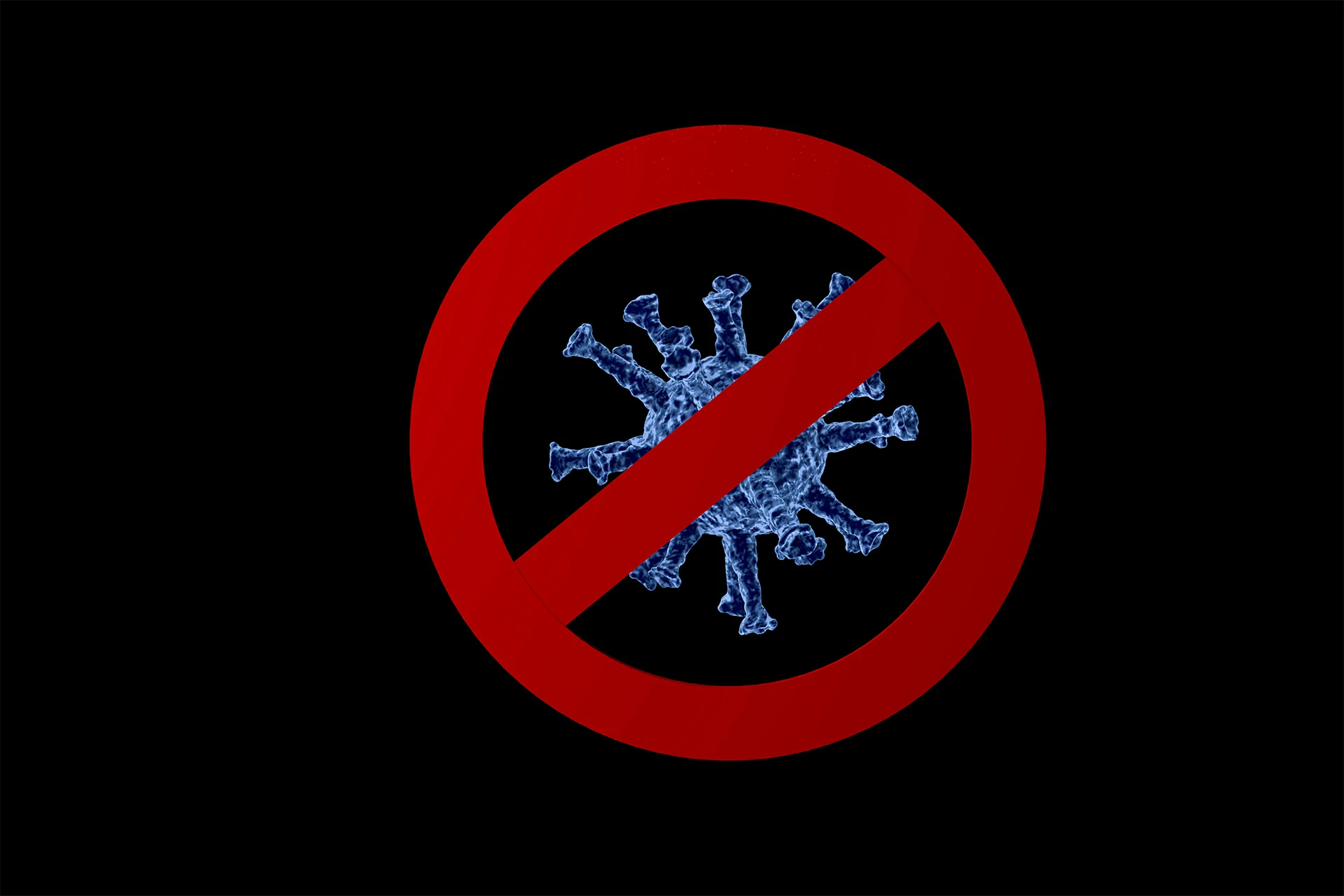
Antimicrobial fabric refers to any textile that protects against the growth of bacteria, mold, mildew, and other pathogenic microorganisms. This is achieved by treating textiles with an antimicrobial finish that inhibits the growth of hazardous microbes, creating an added layer of defense and prolonging the life of the fabric.

Antimicrobial fabrics are used across a wide range of end-use applications. We have listed a few examples below.
Housewares: towels, bedding, upholstery, carpets, curtains, pillows
Commercial: window coverings, military fabrics, uniforms, tenting, carpets.
Apparel: caps, jackets, workwear, sportswear, fleeces, intimates
Building Products: architectural fabrics, awnings, canopies
Healthcare: scrubs, masks, drapery, window coverings, bedding, filters, lab coats

While antimicrobial fabric works great to slow the growth of microbes, it does not kill pathogens on contact, meaning it is not completely effective at stopping the spread of viruses. Even the fastest acting antimicrobial textiles take several minutes to kill microbes, while others only stop or slow their growth. Instead of using them as a substitute for hygiene and other health and safety precautions, they should be thought of as an extra layer of defense against harmful microorganisms to use in addition to your regular sanitary protocol.

Antimicrobial fabrics offer freshness, stain protection, and extended product life, even for heavy-duty outdoor applications.
Formulated to provide excellent durability, antimicrobial fabrics treated with Ultra-Fresh or Silpure offer effective performance after multiple cleanings or extended exposure to environmental stresses.

Antimicrobial fabric treatments can be applied during normal textile finishing processes, meaning no special equipment or processing steps are required.
When applying by coating, padding, exhaustion, or foaming, the antimicrobial additive can typically be used in combination with other common auxiliaries such as softeners, moisture management systems, fluorocarbon, or resins.
Antimicrobial treatment for fabric can be used in textile coatings by adding directly to the liquid prior to application.
Certain antimicrobial additives for fabrics can also be included during the extrusion process of synthetic fibers such as polyester, polyamide, or polypropylene.

Layne | 02-03-2026 | Views 1,881 times
Why Cordura Fabric is the Ultimate Choice for Tactical Gear and Outdoor Equipment Tactical gear and outdoor equipmen...

Layne | 01-26-2026 | Views 1,690 times
How to Choose the Best Military Combat Uniform Fabric? DEEKON Textile, professional Functional Textile supplier for ...
Layne | 01-19-2026 | Views 1,482 times
Why Cordura Fabric Is the Top Choice for Tactical Bags? Tactical bag, as a core piece of equipment for military and ...

Layne | 09-03-2024 | Views 2,793 times
Sweatshirt Knit Fabric Series: Functions and Composition 1. Introduction to Sweatshirt Fabric Sweatshirt fabr...

Layne | 09-02-2024 | Views 2,399 times
Are you looking for common swimwear fabrics? 1. Common Swimwear Fabrics In the blazing summer, it’s the seaso...
Layne | 09-01-2024 | Views 3,468 times
The Versatility of Polyester Stretch Fabric 1. Introduction Polyester stretch fabric is a standout in the tex...

Contact us now for a free consult!