

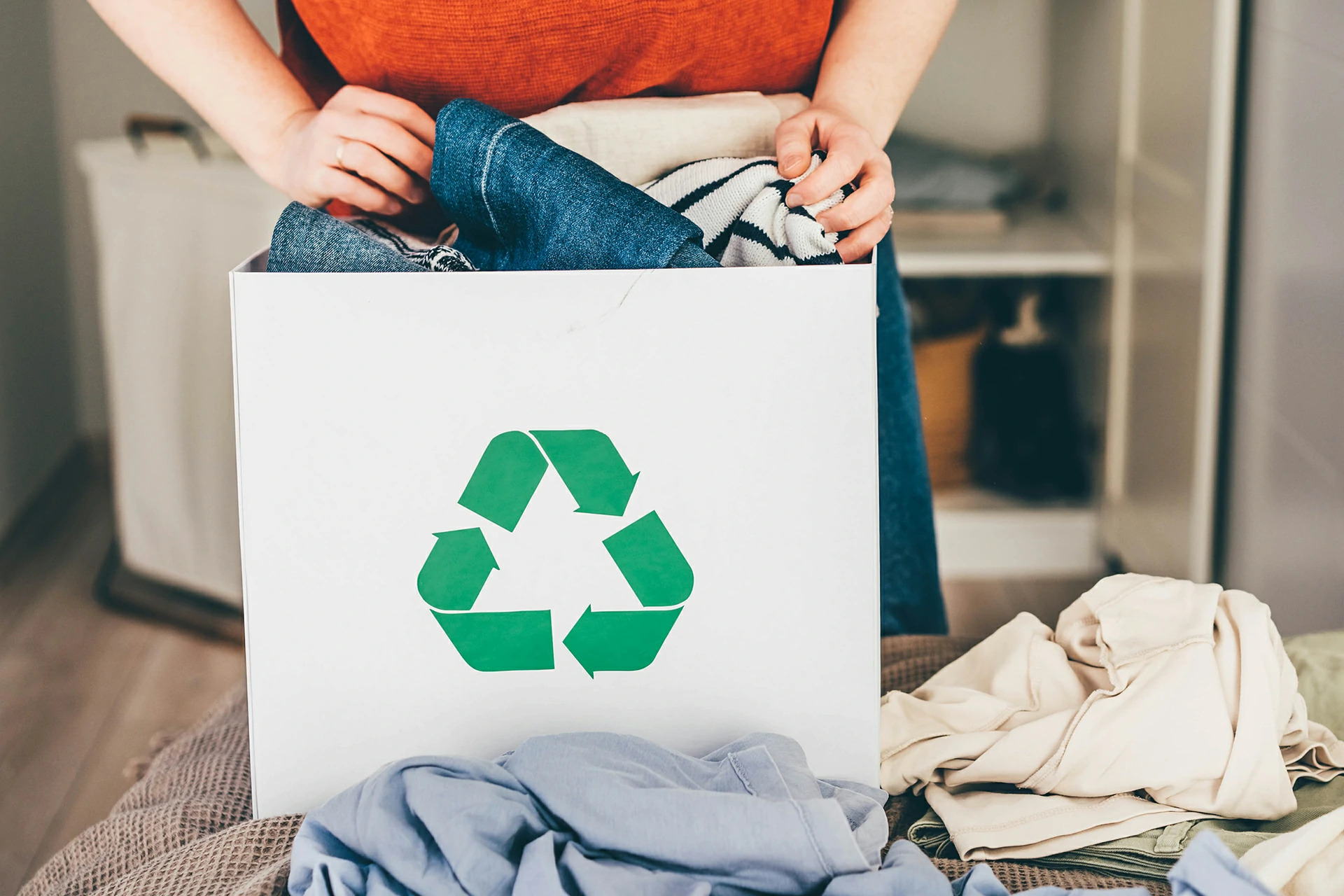
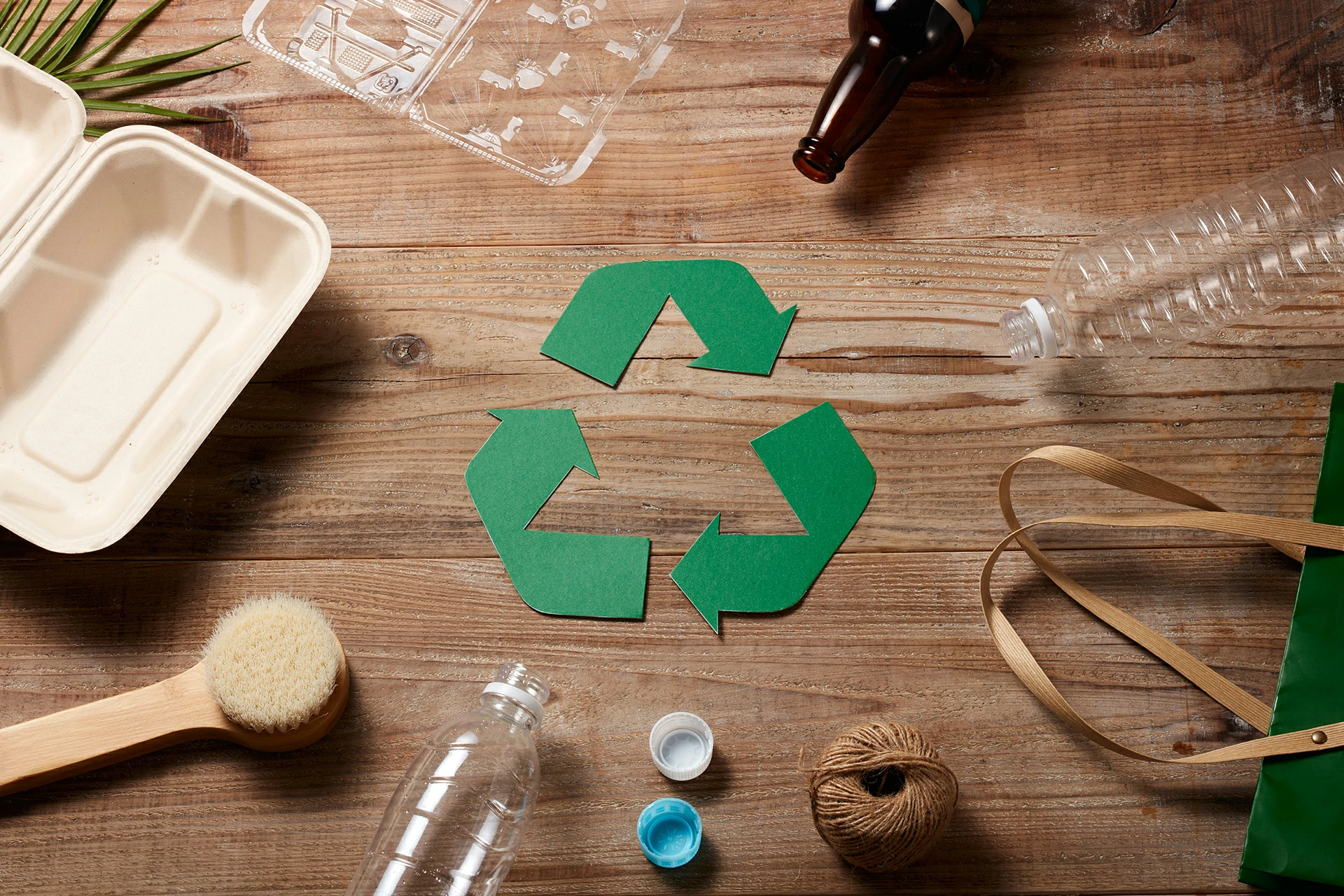
Recyclable fabric refers to textiles that can be processed and reused to create new products or materials after their original use has ended. These fabrics are designed to be part of a closed-loop recycling system, where they can be collected, sorted, and transformed into new fibers or materials without significant loss of quality. Recyclable fabrics are part of sustainable fashion initiatives aimed at reducing waste and minimizing the environmental impact of textile production. By choosing recyclable fabrics and supporting recycling programs, consumers and businesses contribute to a more circular economy in the textile industry.

Natural Fibers: Fabrics made from natural materials such as cotton, wool, silk, and linen can be recyclable. These fibers can be mechanically recycled (where they are shredded and respun into new yarn) or chemically recycled (where the fibers are broken down into their chemical components and then reprocessed into new fibers).
Synthetic Fibers: Many synthetic fibers like polyester, nylon, and acrylic are also recyclable. These materials can be chemically processed to break down the fibers into their original components, which can then be used to create new fibers without losing quality.
Blended Fabrics: Fabrics that combine natural and synthetic fibers (e.g., cotton-polyester blends) pose a challenge for recycling because separating these fibers can be difficult. However, there are advancements in technology that allow for the recycling of blended fabrics through innovative processes.

Recycling textiles is undoubtedly a sustainable practice that benefits the environment. Deekon Textile’s eco-friendly recycled fabric range, certified by the Global Recycled Standard (GRS), ensures reliable tracing of recycled sources throughout every manufacturing process. This initiative helps significantly reduce the industry’s carbon footprint and overall textile manufacturing costs.

Layne | 02-03-2026 | Views 1,881 times
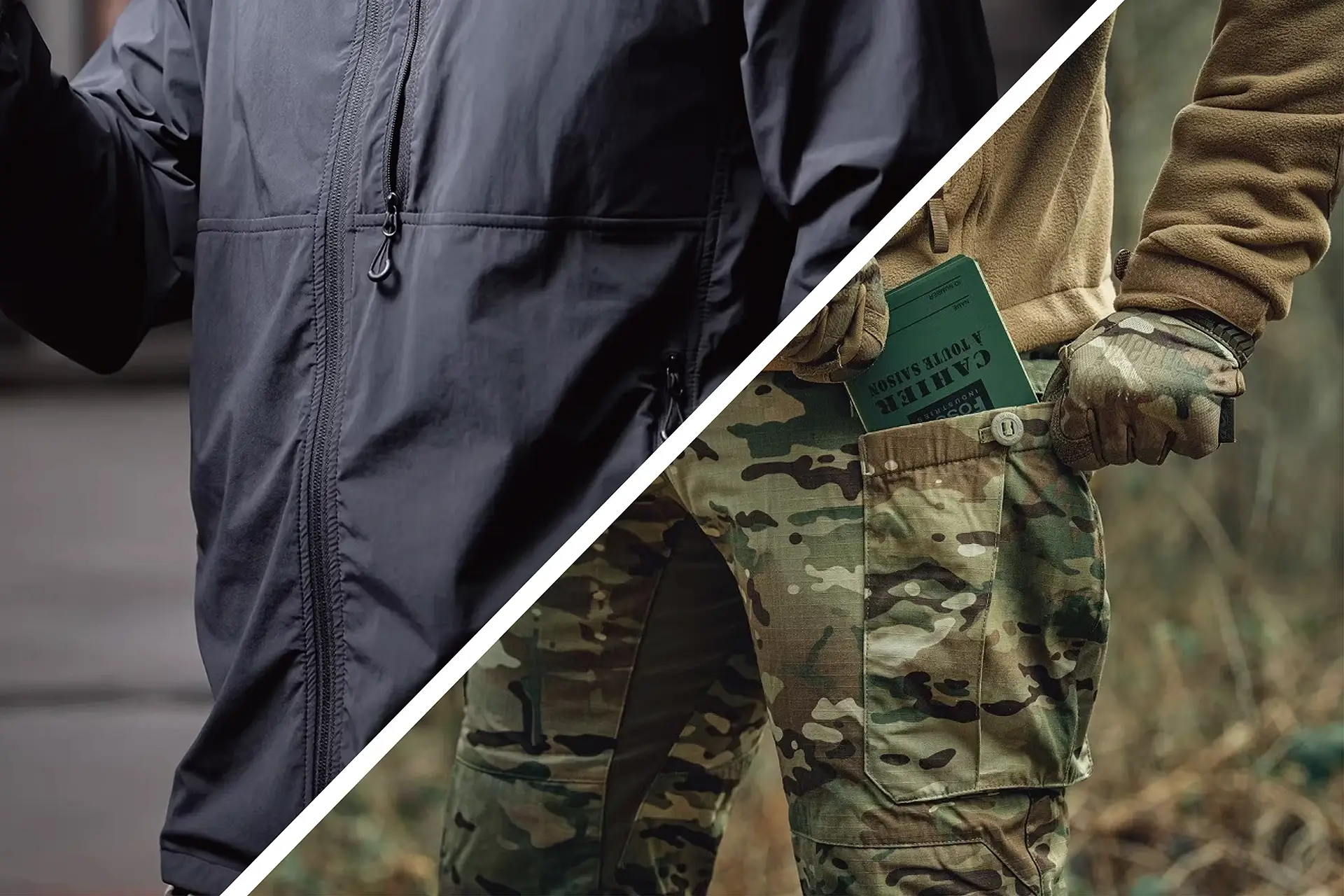
Why Cordura Fabric is the Ultimate Choice for Tactical Gear and Outdoor Equipment Tactical gear and outdoor equipmen...

Layne | 01-26-2026 | Views 1,690 times
How to Choose the Best Military Combat Uniform Fabric? DEEKON Textile, professional Functional Textile supplier for ...
Layne | 01-19-2026 | Views 1,482 times
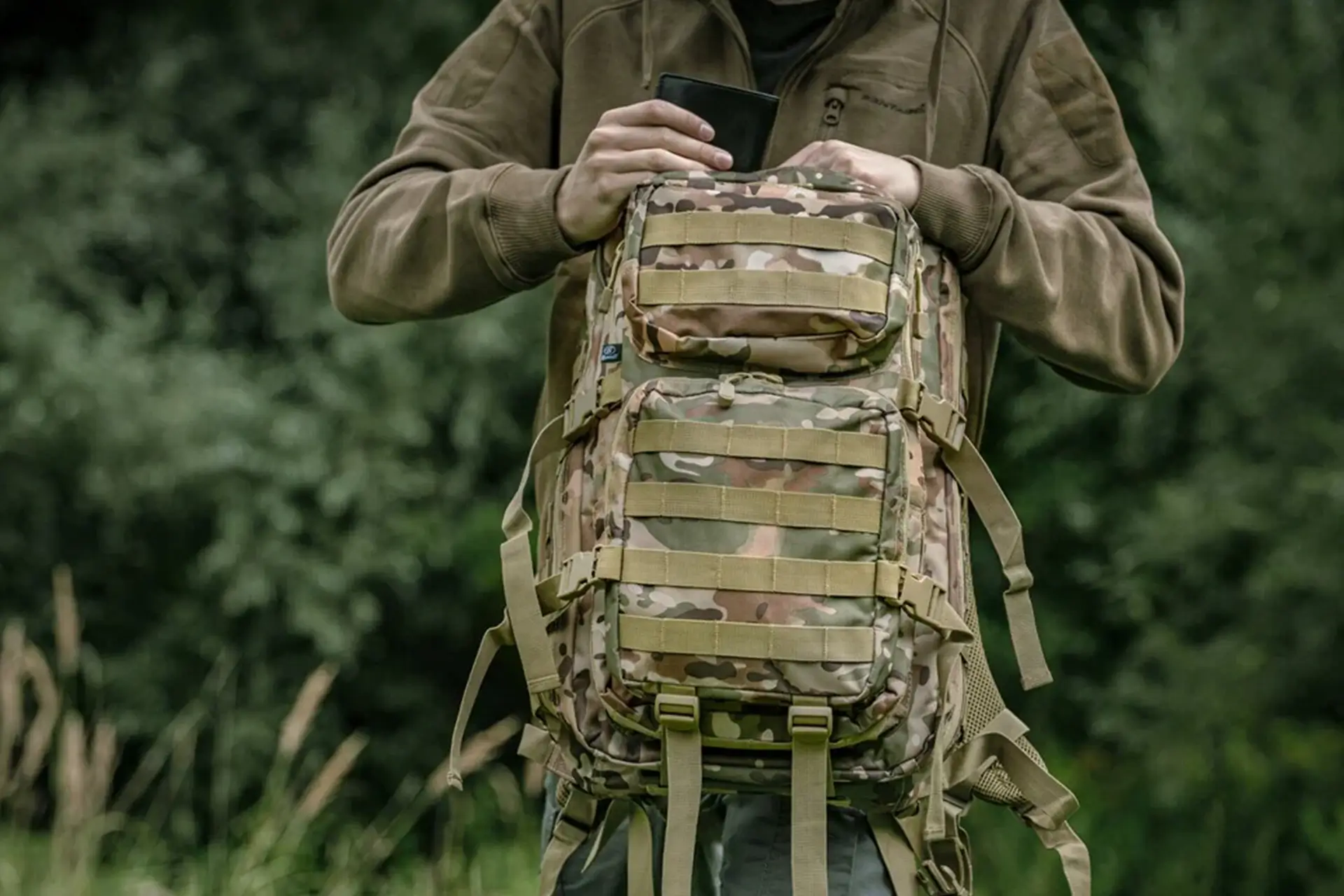
Why Cordura Fabric Is the Top Choice for Tactical Bags? Tactical bag, as a core piece of equipment for military and ...

Layne | 09-03-2024 | Views 2,793 times
Sweatshirt Knit Fabric Series: Functions and Composition 1. Introduction to Sweatshirt Fabric Sweatshirt fabr...

Layne | 09-02-2024 | Views 2,399 times
Are you looking for common swimwear fabrics? 1. Common Swimwear Fabrics In the blazing summer, it’s the seaso...
Layne | 09-01-2024 | Views 3,468 times
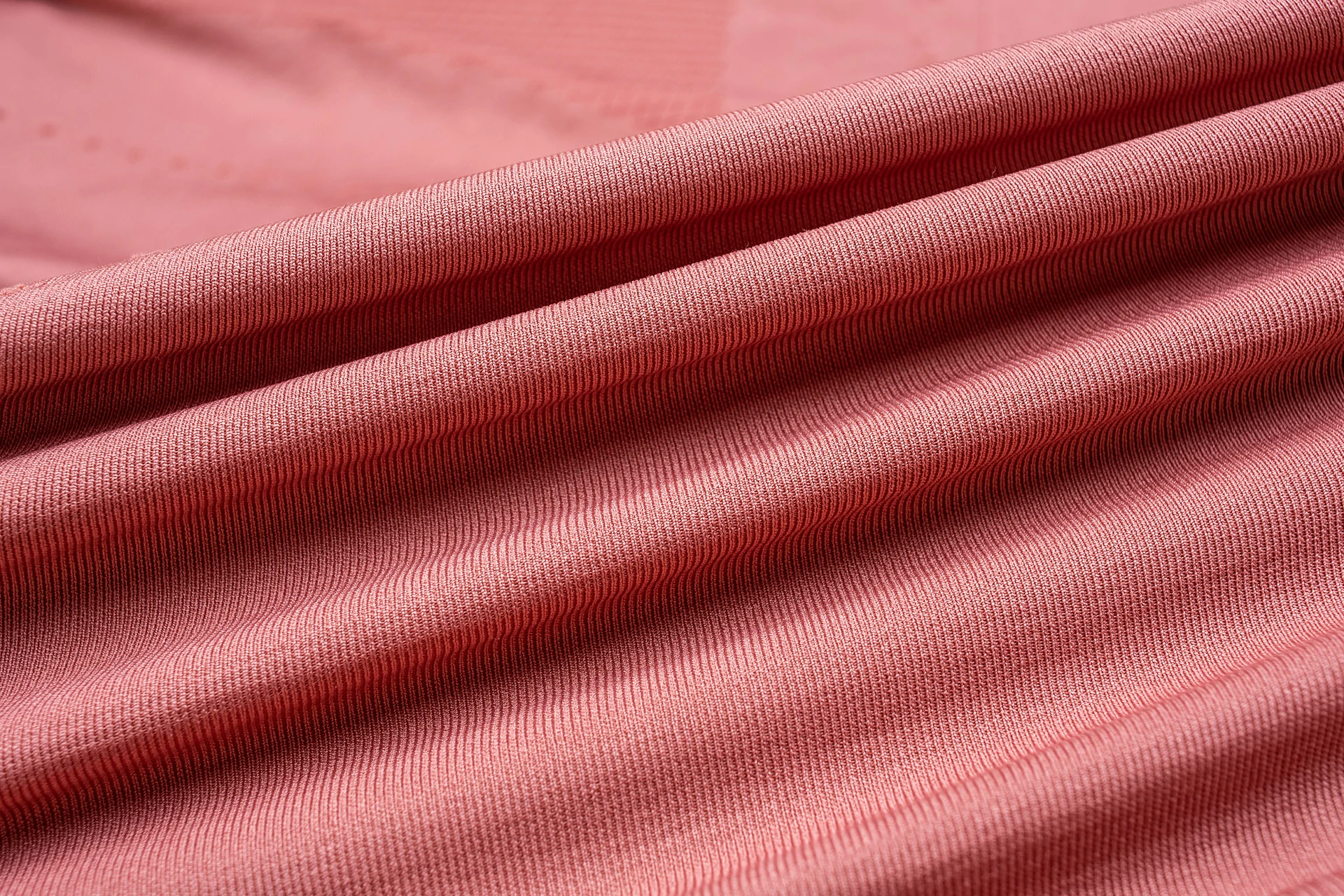
The Versatility of Polyester Stretch Fabric 1. Introduction Polyester stretch fabric is a standout in the tex...

Contact us now for a free consult!