


As environmental awareness increases, RPET non-woven fabric is becoming a popular choice in the market. RPET (Recycled Polyethylene Terephthalate) non-woven fabric not only excels in functionality but also contributes significantly to environmental protection.

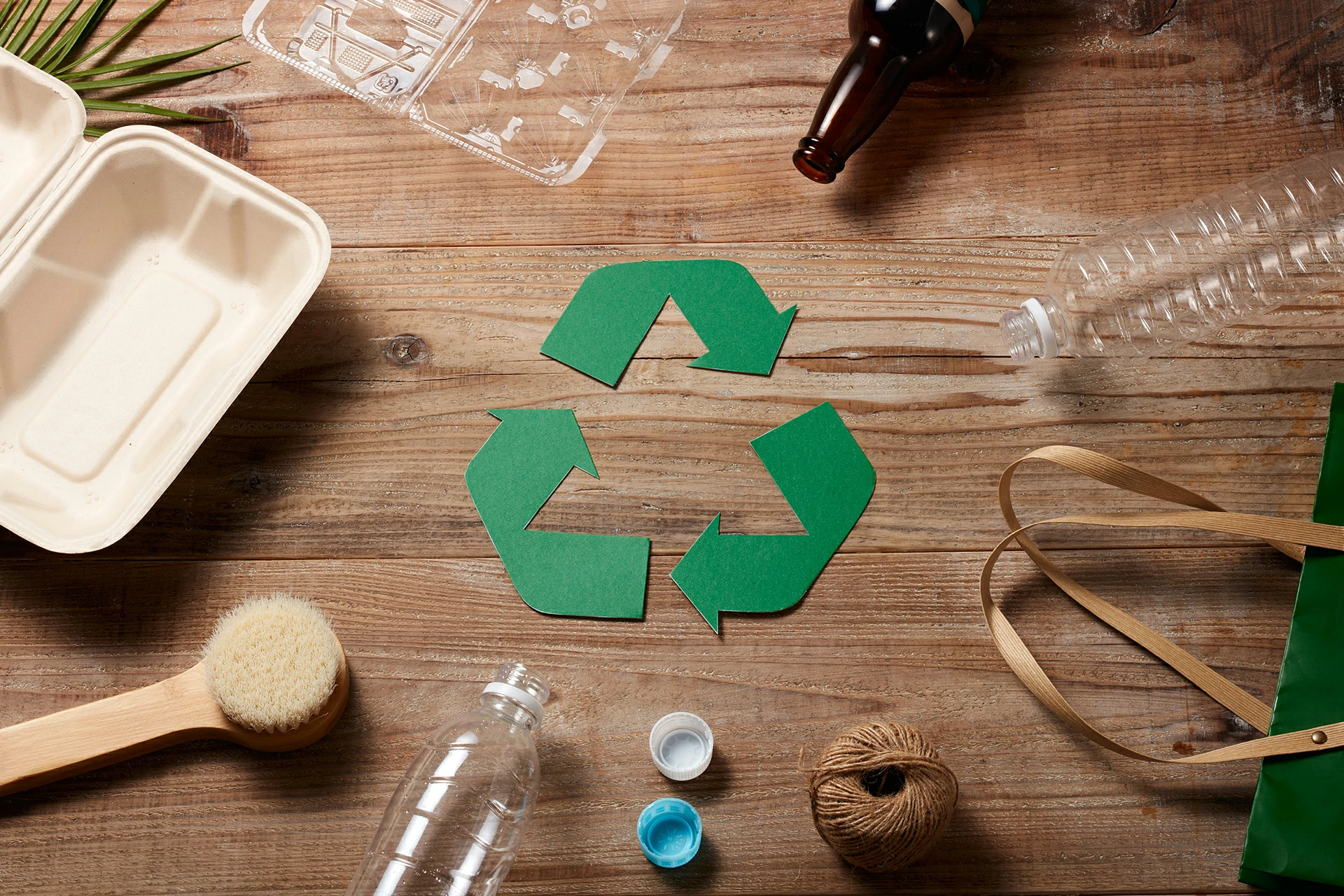
RPET non-woven fabric is made from recycled polyester (PET) fibers. The primary raw materials are recycled plastic bottles, fiber waste, and other PET materials. These materials undergo processes such as cleaning, shredding, melting, and spinning, ultimately forming RPET non-woven fabric. This production method reduces reliance on virgin petrochemical resources and minimizes environmental pollution.
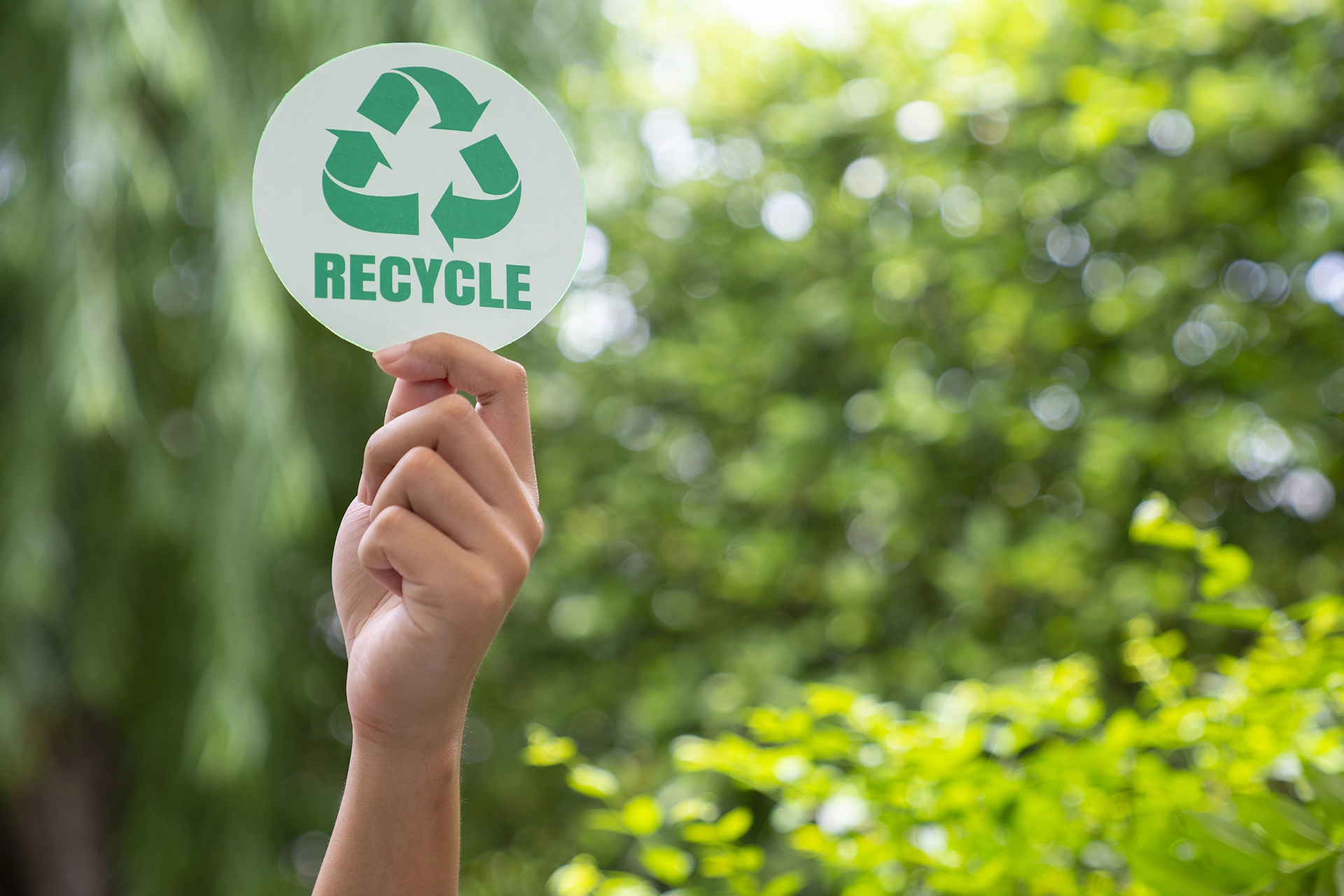
Eco-Friendliness: The most notable feature of RPET non-woven fabric is its environmental benefits. By using recycled materials, RPET non-woven fabric helps to reduce waste and lessen the long-term impact of plastics on the environment.
Durability: RPET non-woven fabric offers excellent abrasion resistance and strength, making it suitable for various applications including shopping bags, industrial packaging, and medical supplies.
Lightweight: Compared to traditional fabrics, RPET non-woven fabric is lighter and more convenient to carry and use. It also provides good breathability and comfort.
Cost-Effectiveness: The production cost of RPET non-woven fabric is relatively low, offering a high cost-performance ratio in many applications.
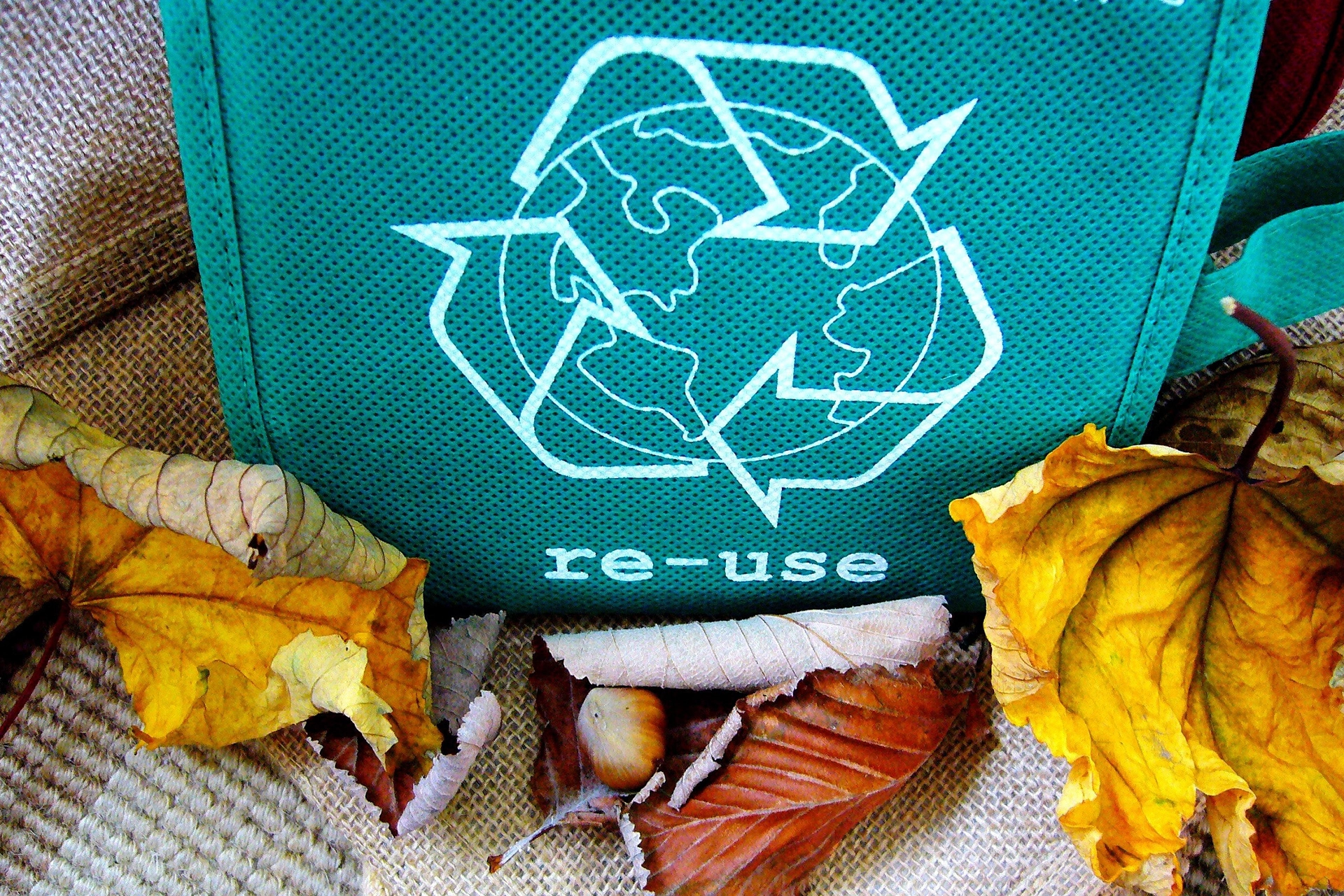
RPET non-woven fabric is used in various fields:
• Shopping Bags: An ideal choice for eco-friendly bags, RPET non-woven fabric helps to reduce the use of single-use plastic bags.
• Industrial Packaging: Its durability makes it an excellent material for industrial packaging.
• Medical Supplies: Due to its non-woven properties, RPET non-woven fabric is widely used in the medical field, such as disposable bed sheets and masks.

With ongoing technological advancements and increasing environmental requirements, the application prospects of RPET non-woven fabric are expanding. Improvements in production processes will further enhance its performance, leading to its significant role in various fields. We can expect RPET non-woven fabric to continue progressing on the path of environmental sustainability, becoming a more important green material.

Layne | 02-03-2026 | Views 1,881 times
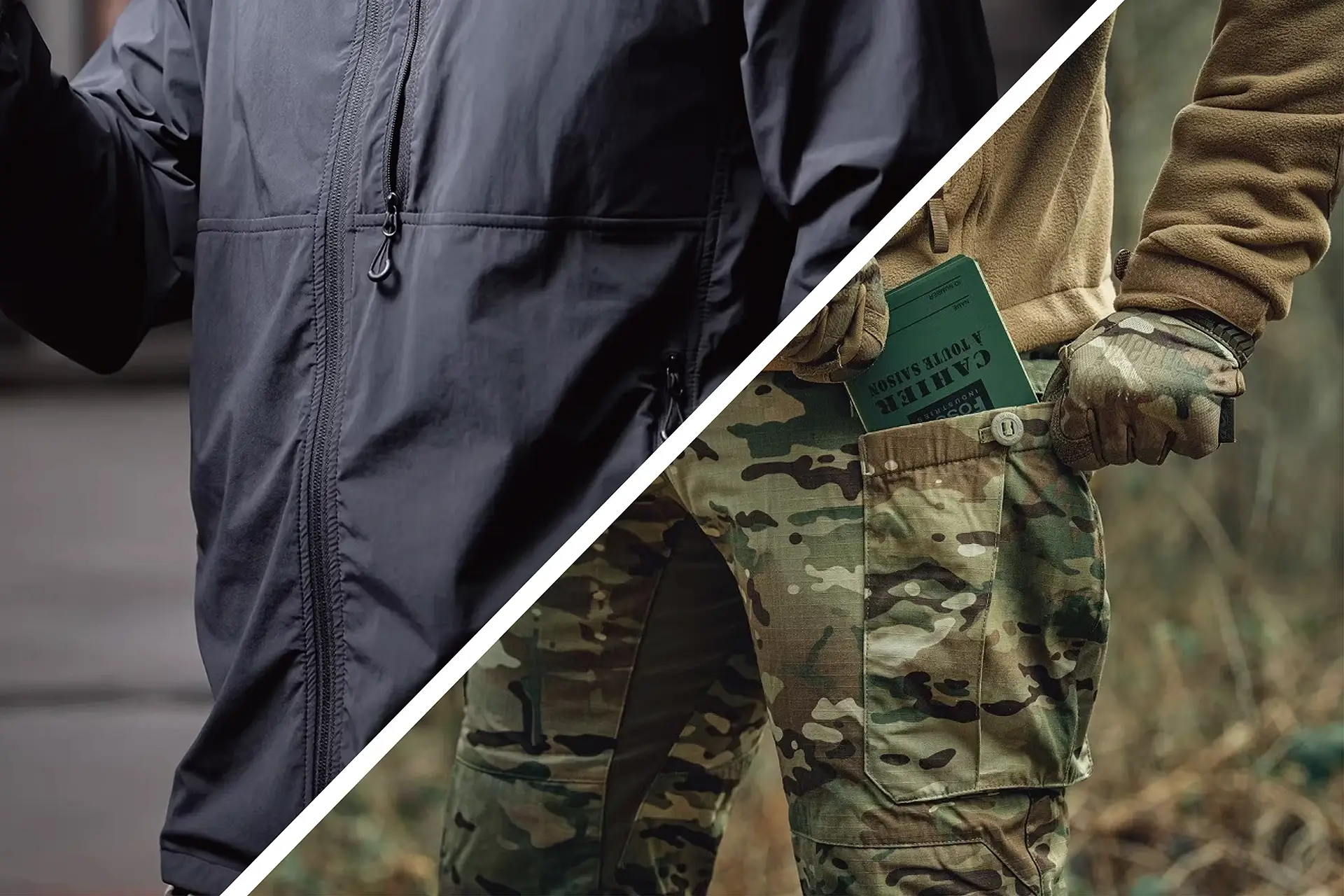
Why Cordura Fabric is the Ultimate Choice for Tactical Gear and Outdoor Equipment Tactical gear and outdoor equipmen...

Layne | 01-26-2026 | Views 1,688 times
How to Choose the Best Military Combat Uniform Fabric? DEEKON Textile, professional Functional Textile supplier for ...
Layne | 01-19-2026 | Views 1,481 times
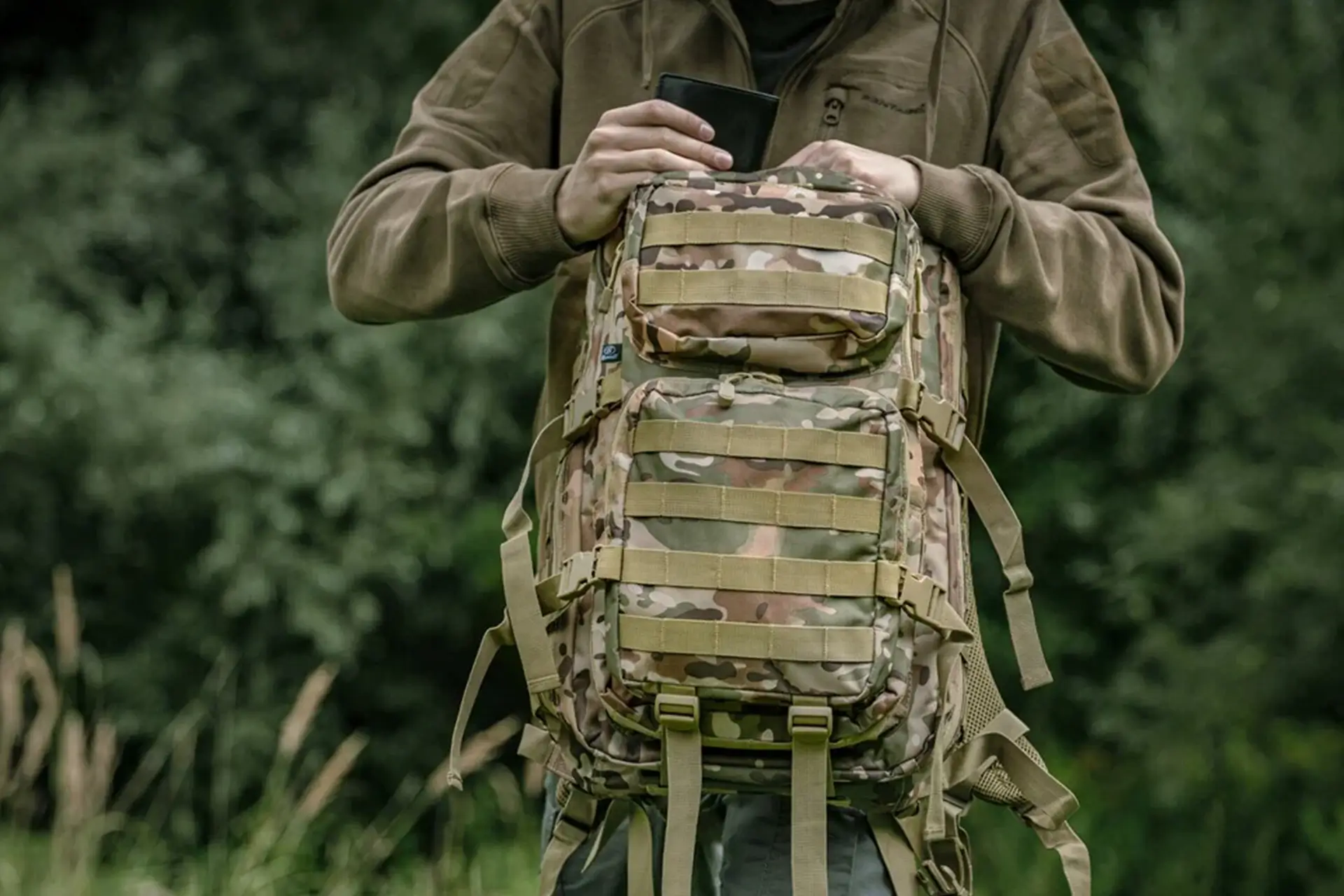
Why Cordura Fabric Is the Top Choice for Tactical Bags? Tactical bag, as a core piece of equipment for military and ...

Layne | 09-03-2024 | Views 2,793 times
Sweatshirt Knit Fabric Series: Functions and Composition 1. Introduction to Sweatshirt Fabric Sweatshirt fabr...

Layne | 09-02-2024 | Views 2,399 times
Are you looking for common swimwear fabrics? 1. Common Swimwear Fabrics In the blazing summer, it’s the seaso...
Layne | 09-01-2024 | Views 3,468 times
The Versatility of Polyester Stretch Fabric 1. Introduction Polyester stretch fabric is a standout in the tex...


Contact us now for a free consult!