

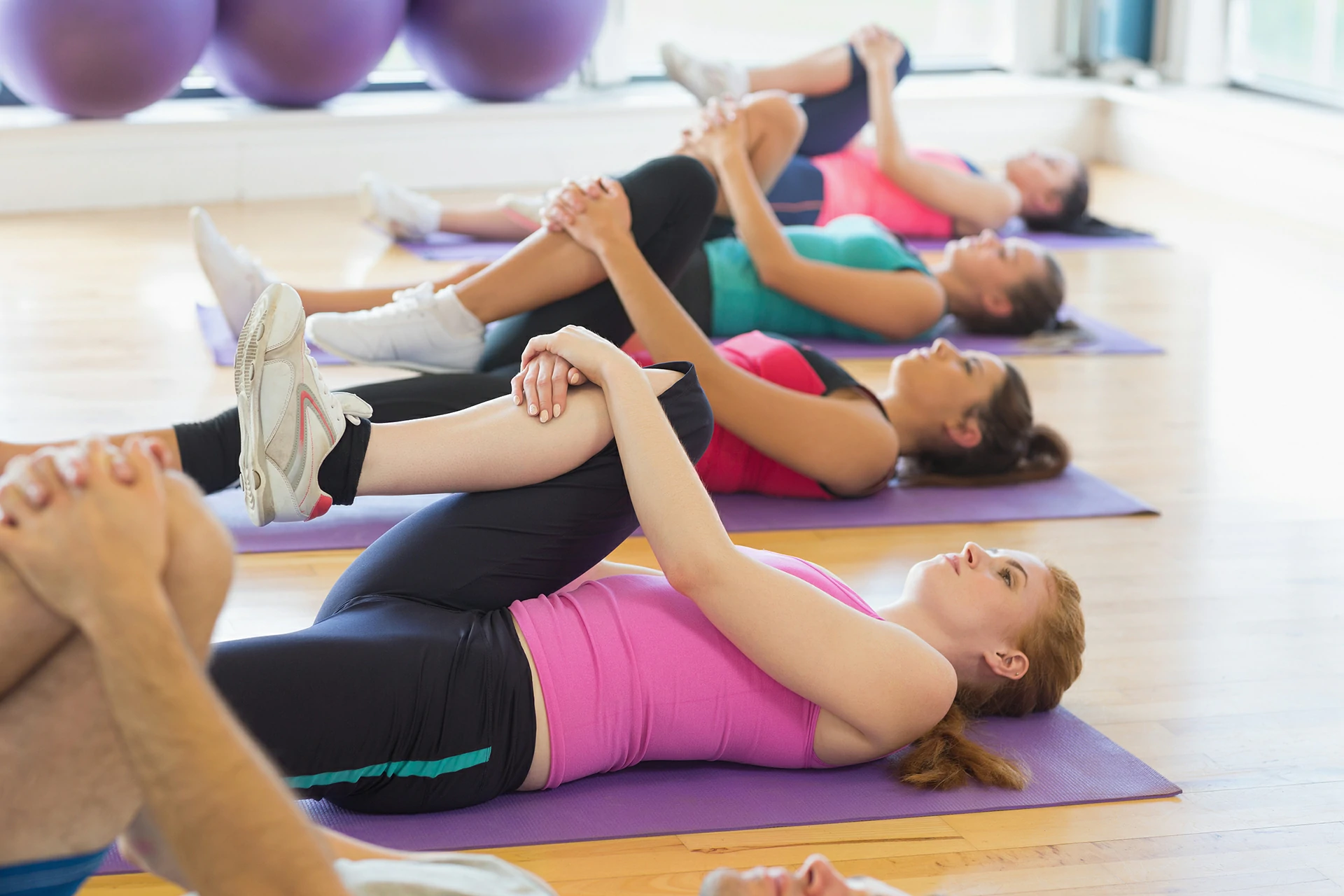
When selecting any garment, comfort is a paramount consideration. It’s crucial to avoid discomfort such as fabric sticking or restricting movement. Therefore, understanding the fabric properties is vital whether you’re creating or wearing clothing. Stretch fabric, like spandex or elastane blends, is widely favored, particularly in sportswear, for its elasticity and comfort. However, selecting the right stretch fabric involves careful consideration. In this blog post, we’ll explore essential aspects of this practical material.

Stretch fabric refers to fabric that can expand due to its fibers’ ability to stretch and then return to its original size. Stretch fabrics are categorized as “2-way” or “4-way”. The former stretches horizontally from selvage to selvage, while the latter stretches both horizontally and vertically. These fabrics utilize elastic fibers like elastane, which is also known as Lycra or Spandex. Elastane, often blended with materials like polyester, cotton, or nylon, provides elasticity while maintaining the fabric’s original shape.
Elastane and elastane blends are common in stretch fabrics. Elastane, also known as Lycra or Spandex, was first introduced in the U.S. as K-fibers in 1959. It can stretch significantly on its own and is blended with other materials like polyester or cotton to enhance elasticity without compromising comfort.
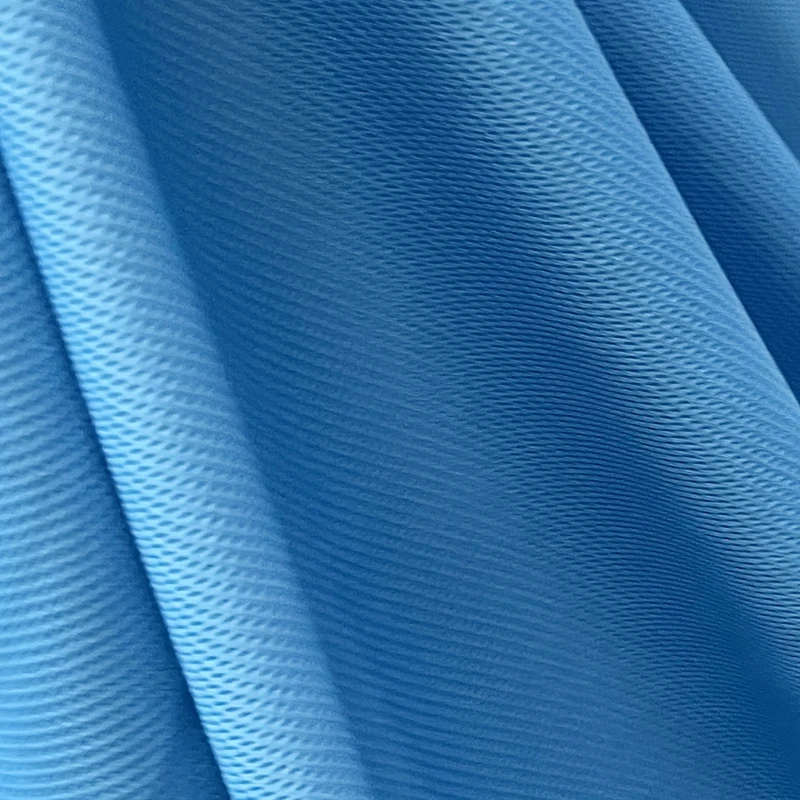
Knitted Fabrics: Knitted fabrics achieve elasticity through looped interwoven fibers. These fabrics are often bi-directional and can include elastic fibers such as elastane, viscose, or polyester to enhance stretchiness. They are widely used in everyday items like sweaters and socks.
Rubber/Latex:Natural latex, derived from rubber tree sap, provides elasticity and water resistance. However, its breathability and potential for skin irritation limit its use in clothing. Neoprene rubber, a synthetic alternative, mimics rubber’s stretch and water resistance while improving flexibility and comfort.

Stretch fabric is widely utilized across various industries and applications due to its unique properties of elasticity, comfort, and versatility. Here are some common areas where stretch fabrics are used:
Sportswear and Activewear: Stretch fabrics like spandex blends (e.g., polyester-spandex, nylon-spandex) are extensively used in sportswear such as leggings, athletic shorts, and compression garments. These fabrics provide freedom of movement and support during physical activities.
Casual Wear: Stretch fabrics are found in everyday clothing items such as T-shirts, jeans, dresses, and skirts. They enhance comfort and fit while maintaining style and durability.Undergarments: Lycra or spandex is a staple in undergarments like bras, panties, and shapewear, providing support and shaping.
Swimwear: Stretch fabrics are ideal for swimwear due to their ability to retain shape in water, provide a snug fit, and offer freedom of movement. They are commonly used in swimsuits, rash guards, and diving suits.
Intimate Apparel: Stretch fabrics are used in lingerie and intimate apparel to ensure a comfortable fit and support while maintaining aesthetics.
Performance Gear: Beyond clothing, stretch fabrics are utilized in performance gear such as gloves, socks, and headwear. These items benefit from the fabric’s flexibility and moisture-wicking properties.
Medical and Orthopedic Uses: Elastic fabrics are employed in medical applications like compression stockings, bandages, and orthopedic braces. These fabrics provide support and comfort for therapeutic purposes.
Home Textiles: Stretch fabrics are increasingly used in home textiles such as bedsheets, pillowcases, and upholstery covers. These fabrics offer a snug fit and ease of maintenance.
Automotive and Upholstery: In automotive industries, stretch fabrics are used in seat covers and interior upholstery. The elasticity and durability of these fabrics contribute to comfort and longevity.
Industrial Applications: Certain industrial sectors utilize stretch fabrics for protective clothing, uniforms, and specialized gear where flexibility and durability are essential.
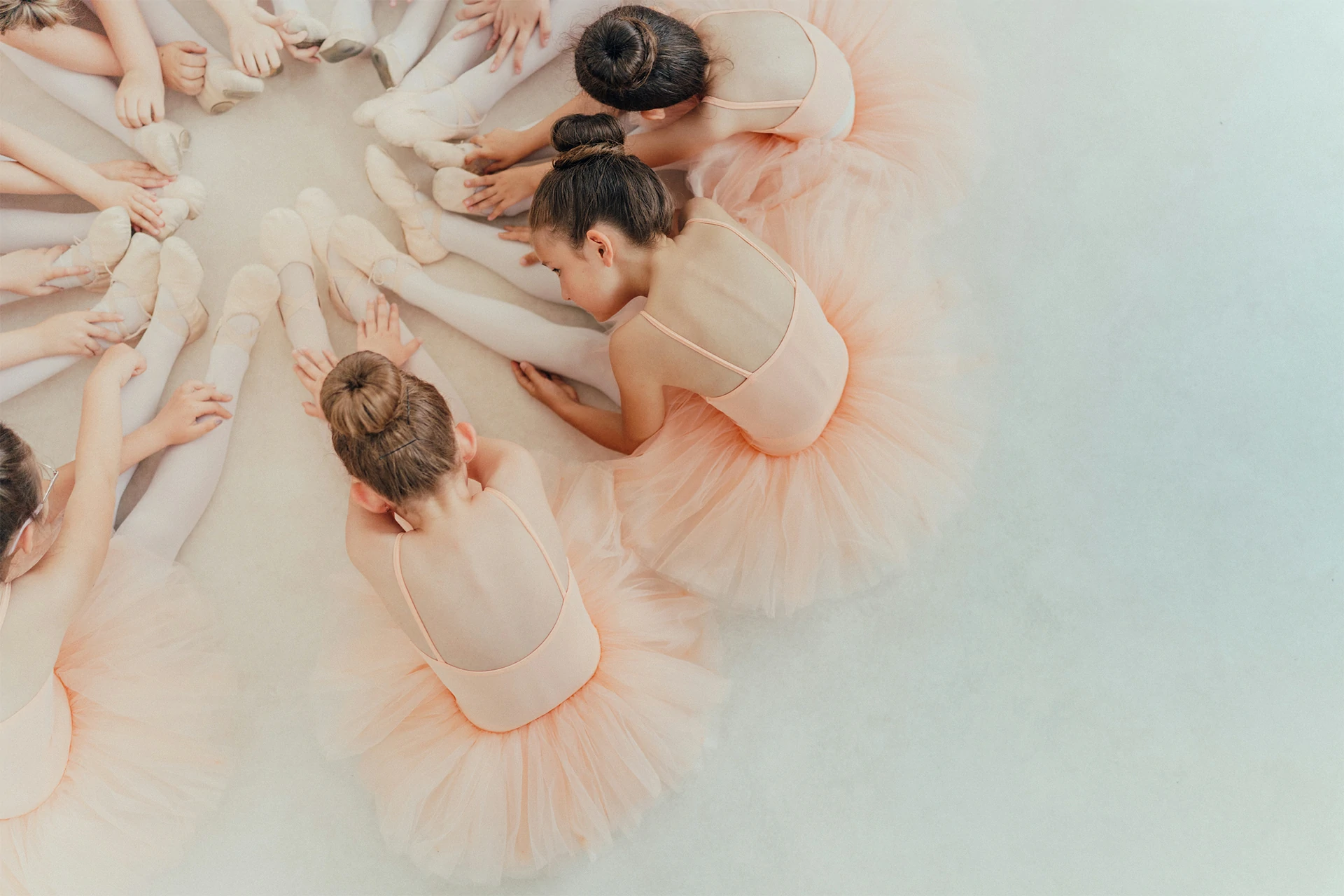
Stretch fabrics are tear-resistant, dimensionally stable, and quick-drying due to their low moisture absorption. They return to their original shape after stretching and are wrinkle-resistant, making them easy to care for. However, when blended with cotton, they may be prone to pilling over time.
Stretch fabrics are essential for comfortable and flexible clothing. Whether for sportswear, casual wear, or undergarments, their elasticity and comfort make them indispensable in modern clothing design. Understanding the types and properties of stretch fabrics ensures the right choice for creating or selecting garments that prioritize comfort and movement.

Layne | 02-03-2026 | Views 1,881 times
Why Cordura Fabric is the Ultimate Choice for Tactical Gear and Outdoor Equipment Tactical gear and outdoor equipmen...
Layne | 01-26-2026 | Views 1,690 times
How to Choose the Best Military Combat Uniform Fabric? DEEKON Textile, professional Functional Textile supplier for ...
Layne | 01-19-2026 | Views 1,482 times
Why Cordura Fabric Is the Top Choice for Tactical Bags? Tactical bag, as a core piece of equipment for military and ...
Layne | 09-03-2024 | Views 2,793 times
Sweatshirt Knit Fabric Series: Functions and Composition 1. Introduction to Sweatshirt Fabric Sweatshirt fabr...

Layne | 09-02-2024 | Views 2,399 times
Are you looking for common swimwear fabrics? 1. Common Swimwear Fabrics In the blazing summer, it’s the seaso...
Layne | 09-01-2024 | Views 3,468 times
The Versatility of Polyester Stretch Fabric 1. Introduction Polyester stretch fabric is a standout in the tex...


Contact us now for a free consult!