

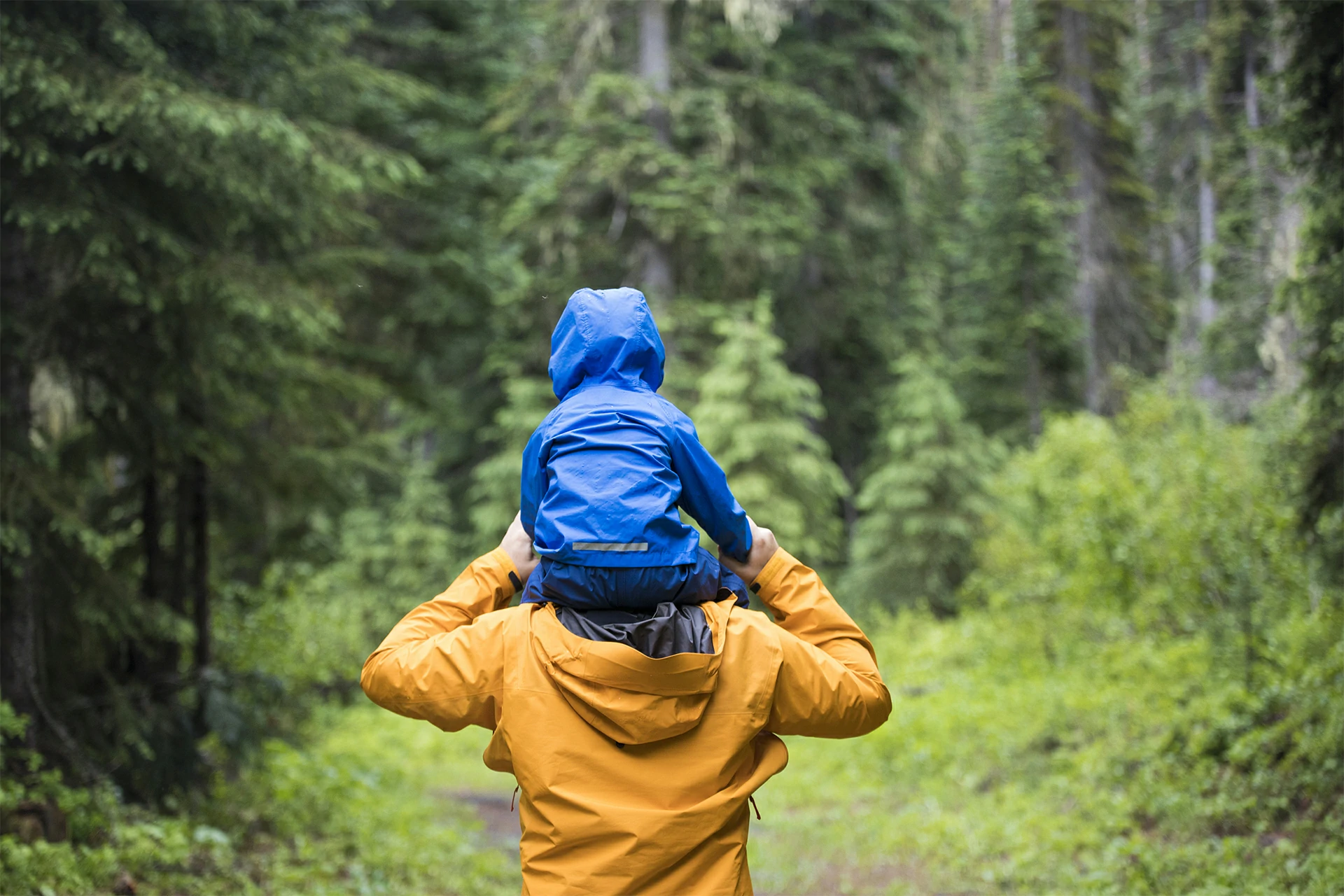
Waterproof fabric is a specialized textile designed to repel water and prevent it from penetrating the material. This unique capability makes waterproof fabrics essential for a wide range of applications, from outdoor gear to everyday clothing. In this blog post, we’ll delve into what waterproof fabric is, how it works, its types, and its various uses.
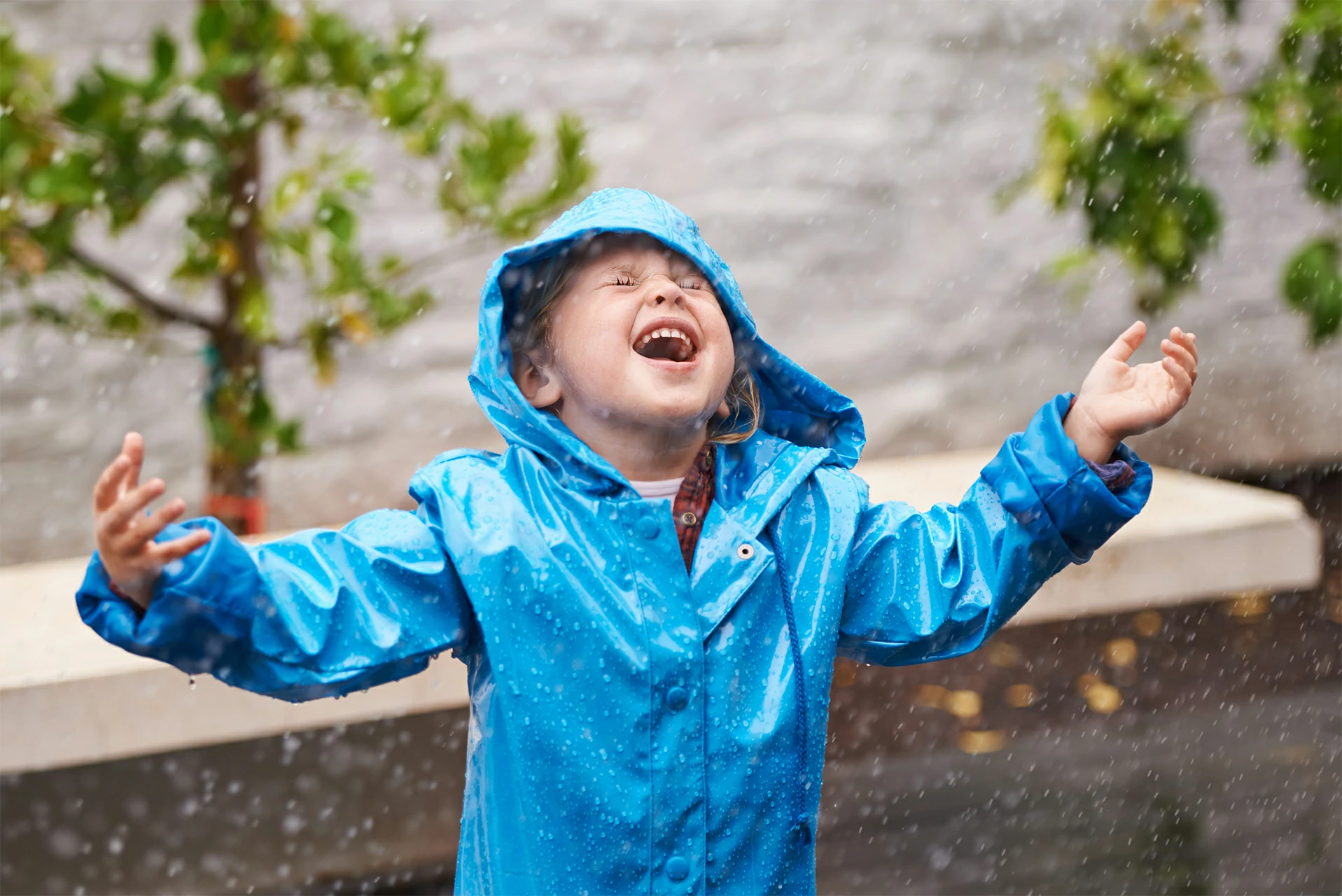
Waterproof fabric is a type of textile that has been treated or engineered to resist water penetration. Unlike water-resistant fabrics that only delay the penetration of water, waterproof fabrics completely prevent water from passing through, keeping the wearer dry and comfortable even in wet conditions.
The waterproofness of a fabric is achieved through various methods:
Coating or Laminating: Fabrics can be coated or laminated with a waterproof material such as polyurethane (PU) or a waterproof membrane like Gore-Tex®. Coatings are applied directly to the fabric surface, while laminates involve bonding a waterproof membrane to the fabric.
DWR (Durable Water Repellent) Treatment: Many waterproof fabrics are treated with a DWR coating on the outer surface. DWR enhances the fabric’s ability to shed water by causing it to bead up and roll off the surface instead of soaking in.
Waterproof Membranes: These membranes are typically made of expanded polytetrafluoroethylene (ePTFE) or polyurethane. They have microscopic pores that are too small for water droplets to pass through but large enough for water vapor (perspiration) to escape, allowing for breathability.
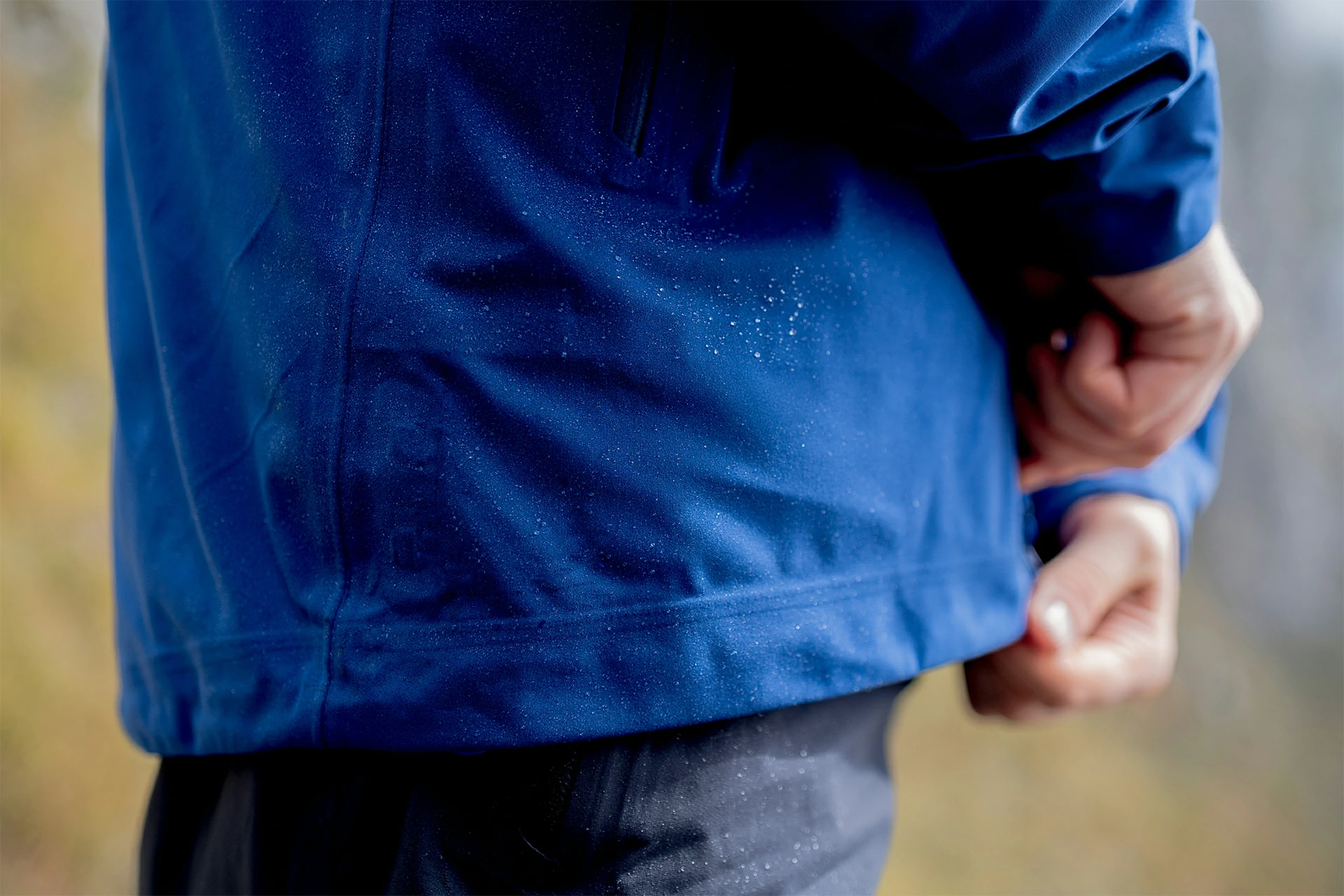
Polyurethane (PU) Coated Fabrics: These fabrics have a PU coating applied to one side, making them waterproof and often lightweight. They are commonly used in rain jackets, tents, and backpacks.
Waterproof Breathable Fabrics (e.g., Gore-Tex®): These fabrics feature a waterproof membrane laminated between layers of fabric. They offer superior waterproofing while allowing moisture vapor to escape, keeping the wearer dry and comfortable during physical activity.
Waxed Cotton: Cotton fabric treated with wax (such as beeswax or paraffin) becomes waterproof and wind-resistant. Waxed cotton is durable and has a classic look, often used in outerwear and bags.
Vinyl and Rubberized Fabrics: These fabrics are inherently waterproof due to their composition. They are commonly used in items like raincoats, boots, and waterproof bags.

Waterproof fabrics find applications across various industries and products:
Outdoor Gear: Including jackets, pants, tents, and backpacks used for hiking, camping, and mountaineering.
Sports and Athletic Wear: Waterproof fabrics are used in outerwear and footwear for activities like skiing, snowboarding, and cycling.
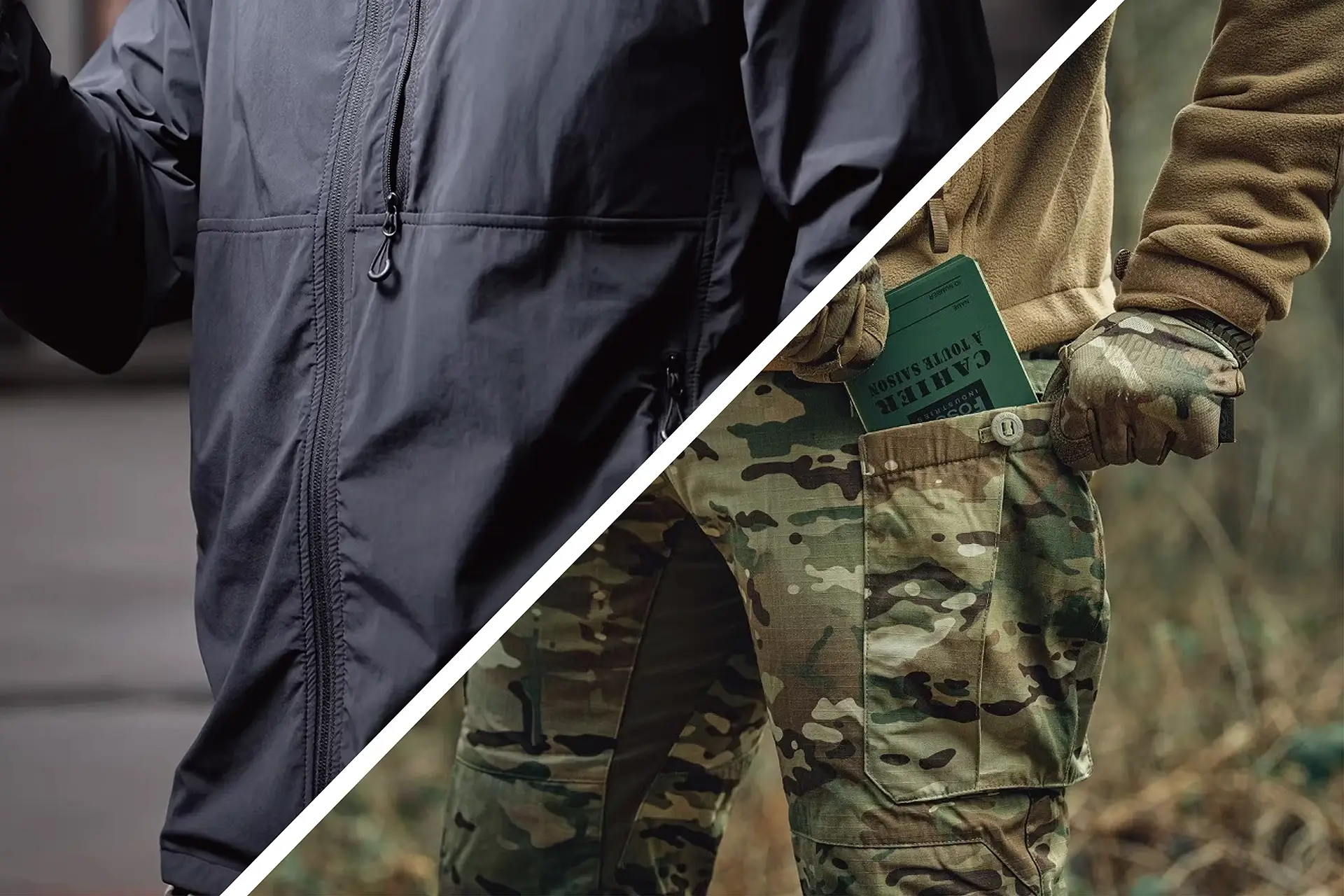
Military and Tactical Gear: Ensuring protection and comfort in harsh environments.
Medical and Protective Clothing: Waterproof fabrics are used in surgical gowns, coveralls, and protective suits.
Fashion and Lifestyle: Waterproof fabrics are incorporated into stylish raincoats, umbrellas, and bags for urban us

Layne | 02-03-2026 | Views 1,736 times
Why Cordura Fabric is the Ultimate Choice for Tactical Gear and Outdoor Equipment Tactical gear and outdoor equipment are relied upon by military personnel, law enforcement officers, outdoor adventurers, hikers, campers, and first responders alike—all of whom demand gear that can withstand unforgiving environments, heavy use, and unpredictable conditions. Whether it’s a combat uniform, tactical backpack, ballistic vest, hiking pack, camping tent, or outdoor apparel, the fabric is the foundation of performance, durability, and safety. Among all available fabrics, Cordura stands head and shoulders above the rest as the ultimate choice for both tactical and outdoor applications. Renowned for its exceptional strength, abrasion resistance, versatility, and environmental adaptability, Cordura has become the gold standard for anyone who refuses to compromise on gear reliability. Currently, 1000D and 500D Cordura Nylon are the most widely used specifications of Cordura fabric in tactical gear and outdoor equipment. The detailed specifications of 1000D and 500D Cordura are listed below. 1000D Cordura Nylon: For heavy-duty tactical gear (load-bearing vests, large field backpacks) and heavy outdoor gear (duffels, tent floors). 500D Cordura Nylon: For lightweight tactical gear (assault backpacks, combat pants) and lightweight outdoor gear (daypacks, hiking jackets). 1. Unmatched Abrasion Resistance: Built to Last Through Heavy Use Abrasion resistance is the most critical factor for both tactical gear and outdoor equipment, as constant friction (from rocks, branches, backpack straps, or gear transport) can quickly degrade ordinary fabrics. 2.Exceptional Tear Strength and Load-Bearing Capacity: Safety You Can Trust Tactical gear often carries heavy loads (weapons, ammunition, medical supplies), while outdoor equipment holds camping gear, food, water, and clothing—both face sudden tearing forces (e.g., being caught on branches, debris, or sharp rocks). Cordura’s high tear strength and tensile strength ensure it can handle these demands without failing. What sets Cordura apart is its strength-to-weight ratio: 500D Cordura weighs only 250g/m² but offers the same load-bearing capacity as 800g/m² cotton canvas. This lightweight strength is critical for tactical personnel (who need to stay agile) and outdoor enthusiasts (who want to minimize pack weight). 3.Superior Environmental Adaptability: Ready for Any Mission or Adventure Tactical gear must perform in extreme weather (rain, heat, cold), while outdoor equipment faces the same unpredictability—from pouring rain to scorching sun, and freezing temperatures to humid jungles. Cordura’s versatility shines here, thanks to specialized treatments and inherent fiber properties: • Water Resistance: Cordura treated with PU or TPU coatings has a hydrostatic head rating of 3000mm–20000mm, effectively repelling rain and preventing gear inside from getting wet. DWR (Durable Water Repellent) finishes make water bead up and roll off the surface, further enhancing protection—critical for both tactical missions and outdoor camping. • Concealment (Tactical) & UV Resistance (Outdoor): Military-grade Cordura features a matte finish that reduces light reflection, with optional IR blocking coatings for tactical concealment. For outdoor use, Cordura can be treated with UV-resistant coatings to prevent fading and degradation from prolonged sun exposure, extending the life of outdoor apparel and gear. • Mildew and Corrosion Resistance: Cordura resists mildew and corrosion even in hot, humid environments (e.g., jungles or coastal camping), eliminating the need for frequent maintenance and ensuring gear remains reliable over time. 4. Color Fastness & Easy Maintenance: Long-Term Reliability for All Users Tactical gear must maintain its color for concealment and professionalism, while outdoor gear needs color fastness to resist fading from sun, rain, and washing. Additionally, Cordura is easy to clean—simple wiping with a damp cloth removes dirt and debris (critical for tactical personnel in the field), and it can be machine washed without losing performance or color (convenient for outdoor enthusiasts). 5. Sourcing High-Quality Cordura Fabric from Deekon Textile (For Tactical & Outdoor Brands) For tactical gear manufacturers, outdoor equipment brands, and distributors, sourcing high-quality Cordura fabric is essential to producing reliable, high-performance products—whether for military use, law enforcement, or outdoor enthusiasts. Deekon Textile—with over 30 years of experience in functional textile production—is a trusted manufacturer and supplier of Cordura fabric, dedicated to meeting the rigorous demands of both tactical gear and outdoor equipment applications. Whether you need bulk Cordura fabric for tactical backpacks, combat uniforms, hiking packs, camping tents, or require custom-developed fabrics to meet unique tactical or outdoor needs, Deekon Textile is your one-stop solution. Contact us today to discuss your requirements and receive a tailored quote—we are committed to supporting your success with premium Cordura fabric and professional service. We sincerely invite you to get in touch with us for further cooperation and detailed information. Email:[email protected]
Layne | 01-26-2026 | Views 1,480 times
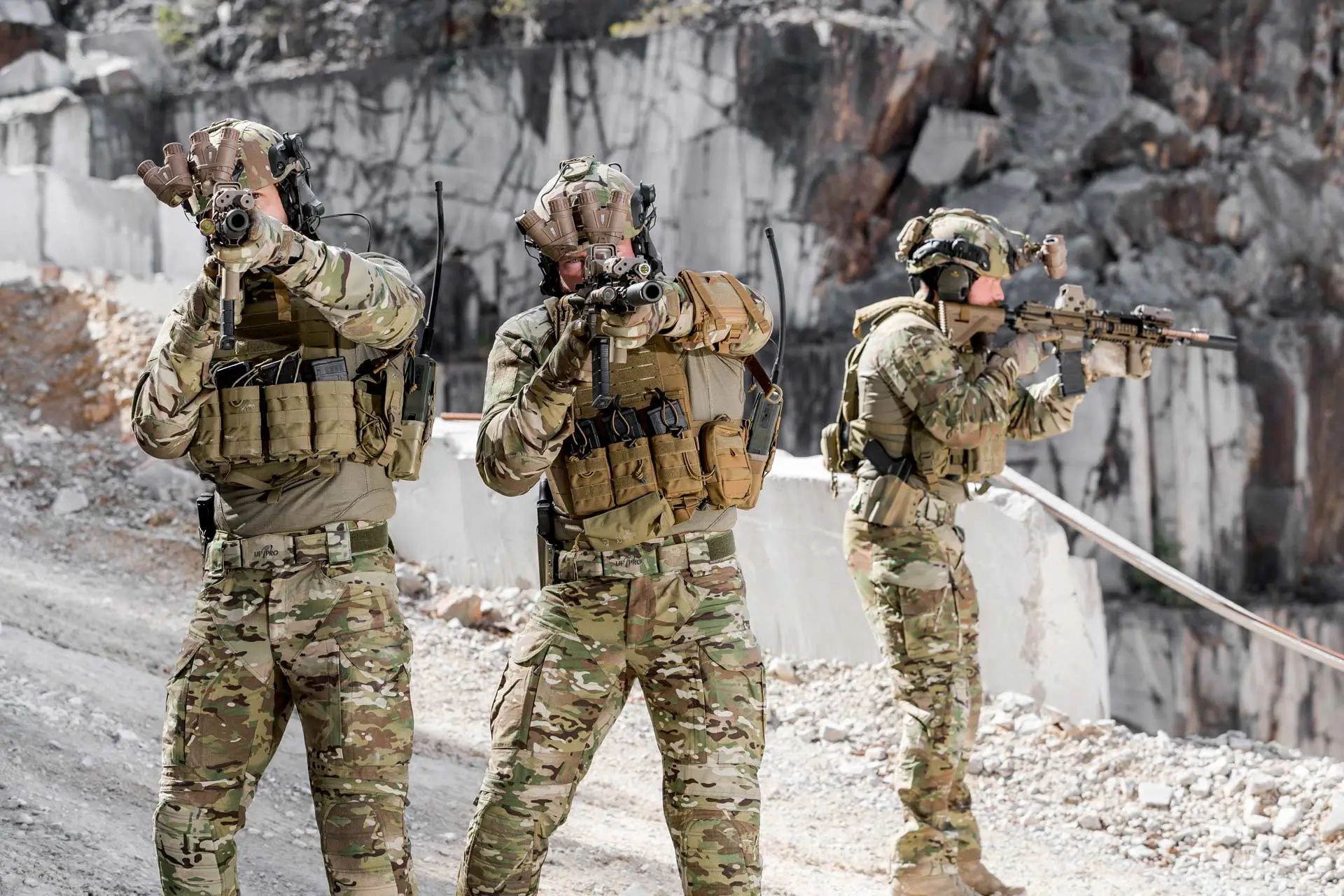
How to Choose the Best Military Combat Uniform Fabric? DEEKON Textile, professional Functional Textile supplier for Tactical, Workwear and Outdoor industries. Four (4) Key Points for Choosing the Best Military Combat Uniform Fabric 1- Adapt to Local Geographical Colors and Vegetation 2- Match Local Climate Conditions 1) the correct fabric composition 2) the correct yarn thickness 3) the correct density and way of weaving 3- Durability and Strength 1) Raw material selection (nylon, cotton, polyester, viscose, Nomex) 4- More Functions to Enhance Tactical Adaptability 1) Anti-infrared treatment 2) Mosquito Repellent Treatment 3) Antibacterial Treatment 4) Water and Oil Repellent Treatment 5) Moisture-Wicking Treatment 6) Stretchable fabric for great comfort 7) Anti-static 8) Fire-retardant How to Choose the Best Military Combat Uniform Fabric? Military combat uniform fabric is a strategic material that directly ties to battlefield concealment, environmental adaptability, soldier safety, and long-term combat effectiveness. Unlike conventional clothing, military combat uniform fabric must withstand extreme wear, harsh climates, and complex tactical scenarios while balancing protection and comfort. This guide adheres to core tactical demands, elaborating on the key selection criteria from four critical dimensions to help you build a “functional tactical suit” tailored to actual missions. I. Adapt to Local Geographical Colors and Vegetation Camouflage is the primary line of tactical concealment, and the selection of camouflage patterns and colors must be fully integrated with local geographical features and vegetation types to achieve the effect of “blending with the environment” and reduce the probability of detection by enemy naked eyes or optical equipment. For jungle areas, prioritize camouflage patterns with green as the dominant tone, complemented by brown, black, and other auxiliary colors. The pattern should simulate the interlacing of leaves, branches, and grass with irregular edges to avoid obvious outlines—typical examples include the U.S. Army’s M81 Woodland camouflage and British DPM camouflage, designed for tropical and temperate jungles, ensuring effective integration with the jungle environment. In rencent years, Multicam is of the most camouflage pattern designed for use in a wide range of environments and conditions which was developed and is produced by American company Crye Precision.[2] The pattern has found extensive adoption globally. Variants of it, some unlicensed, are in use with militaries worldwide, particularly with special forces/special operations forces units. II. Match Local Climate Conditions Climate conditions directly determine the comfort and adaptability of combat uniforms. The selection of fabric must be tailored to local temperature, humidity, with three core parameters—fabric composition, yarn thickness, and density—jointly determining the climate adaptability of the fabric. 1- Correct Fabric Composition There are four main components for the military uniform fabric in current market, that are cotton, nylon, polyester, viscose. Each material has its own advantage and disadvantage. See table as below, So, the cotton and viscose are with good hand feel, and good breathability, while the nylon and polyester are with good strength, and durability. The most common composition on the market is 50% nylon and 50% cotton. This is the composition ratio used in many uniform fabrics of the US military because this fabric is suitable for most usage scenarios. The 50% nylon has very strong abrasion resistance, which ensures the durability of military uniforms, while the 50% cotton provides better comfort and breathability. In high-temperature and high-humidity tropical areas, prioritize “breathability + quick-drying” by choosing blended fabrics with natural fibers as the main component and synthetic fibers as supplements. Like 65% cotton, 35% polyester, 80% cotton, 20% polyester, even we can make the fabric with 92% Long-staple cotton, 8% nylon to increase the comfort for the military uniforms. 2. Correct Yarn Thickness Yarn thickness, expressed by “count”, directly affects fabric breathability and strength. Medium to high-count yarns (20-40 count) are preferred for combat uniforms. Thicker yarns (20-25 count) offer higher strength and wear resistance but lower breathability, suitable for high-wear scenarios like jungle combat. Thinner yarns (30-40 count) improve breathability but slightly reduce strength, ideal for tropical areas or low-intensity missions. The U.S. Army ACU combat uniform uses 32-count nylon-cotton blended yarn to balance tear strength and breathability. 3. Correct Density and Way of Weaving Fabric density (warp×weft yarns per square inch) correlates with protection and breathability. For tropical areas, control density at 100×60 to ensure sufficient breathability; for cold or high-wear areas, increase density to 140×100 to enhance tear resistance and windproof performance. Test data shows that under the same yarn thickness and weave, 140×100 density fabric has 30% higher tear strength than 110×60, with a 20% reduction in air permeability. Weave type determines fabric structure and performance: Plain weave is firm and wear-resistant but poorly breathable; twill weave (2/1 or 3/1) is soft, tear-resistant, and more breathable than plain weave, making it the most widely used for combat uniforms; Ripstop weave can be combined with density adjustment—reinforced yarns added at regular intervals prevent tearing from expanding without excessive sacrificing breathability. So, Twill ripstop weave is a good solution for increasing both breathability and tearing strength. III. Durability and Strength Battlefields are filled with harsh wear factors, including jungle thorns, gravel friction, equipment scratches, and frequent tactical movements. Durability and strength rely on rational raw material selection, with each material differing significantly in anti-abrasion, tensile strength, and tearing strength. 1. Raw Material Selection Common materials for combat uniform fabrics include nylon, cotton, polyester, viscose. Their performance regarding abrasion resistance, tensile strength and tearing strength are summarized in the table below: 2. Advantages & Disadvantages of Each Material • Nylon: Advantages include high strength (2.5 times that of cotton), excellent wear resistance (flat abrasion resistance ≥10,000 times, ASTM D4966), low water absorption (weight increase only 10% when wet), and fast drying. Disadvantages: Poor breathability, prone to stuffiness during long-term wear; melts and drips when burned (melting point ≈200℃), causing secondary burns. Rarely used alone, mostly as a blended component. • Cotton: Advantages: Good breathability and moisture absorption (moisture regain 8%-10%), skin-friendly, no irritation, and no molten droplets when burned. Disadvantages: Low wear resistance (flat abrasion resistance 2,500-3,000 times), high water absorption (weight increase 80%-100% when wet), slow drying, poor wrinkle resistance, and shrinkage rate of 5%-8%. • Polyester: Advantages: Medium durability, good wrinkle resistance, low shrinkage rate (≤2%), and strong UV resistance. Disadvantages: Poor moisture absorption (moisture regain 4%-5%), poor breathability, and slight irritation to the skin when soaked in sweat. • Viscose: Advantages: Soft hand feel, good breathability and moisture absorption (similar to cotton), and natural luster. Disadvantages: Poor wet strength (strength decreases by 30%-50% when wet), poor wear resistance, and poor dimensional stability, prone to deformation. The 50/50 nylon-cotton blend is the “golden ratio” for balancing durability and comfort, with flat abrasion resistance ≥200,000 cycles by ISO12947.2:2016, while the 65/ 35 poly-cotton is 50,000 cycles only. For high-demand scenarios, Nomex or aramid can be added to enhance strength and flame retardancy. IV. More Eight (8) Functions to Enhance Tactical Adaptability With the modernization of warfare, adding special functional treatments to combat uniform fabrics has become a key way to improve tactical advantages. The following eight functions can be selectively added based on mission scenarios: 1. Anti-infrared Treatment Treat fabric with infrared shielding agents to reduce Infrared reflectivity of each color on the camouflage fabric to avoid detection by night vision binoculars at night. Deekon Functional Textiles with more than 10 years’ experience with anti-infrared fabrics. 2. Mosquito Repellent Treatment In tropical and jungle regions, mosquitoes significantly reduce soldiers’ combat effectiveness. Therefore, we can add mosquito-repellent properties to military fabrics. Mosquito-repellent treated fabrics can form a long-lasting “mosquito-proof protective ring,” allowing soldiers to reduce external interference in mosquito-infested areas, maintain focused tactical awareness, and ensure sufficient physical reserves. 3. Antibacterial Treatment Antibacterial treatment is one of the core functional processes for military fabrics, its core function being to inhibit the growth of harmful microorganisms on the fabric in the harsh environment of the battlefield. When soldiers wear tactical uniforms during high-intensity combat, they sweat profusely. This sweat mixes with skin keratin, dirt and dust, leading to the growth of harmful microorganisms such as E. coli, Staphylococcus aureus, and Streptococcus in areas like the armpits, back, waistband, and ankles. The bio-antibacterial treatment agent used by Deekon Functional Textiles can inhibit more than 99% of these three types of bacteria and maintains a 75% antibacterial rate even after 150 washes. 4. Water and Oil Repellent Treatment Deekon Functional Textiles’ oil- and water-repellent military fabrics achieve an oil-repellent rating of 5 and a water-repellent rating of 5. 5. Moisture-Wicking Treatment Adopt hydrophilic-hydrophobic dual-structure finishing to quickly absorb sweat from the inner layer and transfer it to the outer layer for evaporation, keeping the skin dry. And performance remains stable after 50 washes—ideal for high-intensity missions. 6. Stretchable Fabric for Great Comfort The requirements for combat clothing are becoming increasingly higher. Fabric elasticity is a crucial indicator. Since combat clothing doesn’t require elasticity in the warp direction, we only need to add elasticity in the weft direction. One method is to add approximately 3% spandex to the weft; the other method is to use Sorona elastic yarn as the weft yarn, which is more durable elasticity than spandex. We call it mechanical stretch fabric. Both methods can increase the elasticity in the weft direction. 7. Anti-static Treatment Treat fabric with antistatic agents or blend conductive fibers to reduce static electricity accumulation, avoiding interference with electronic equipment and preventing static sparks from exposing positions in flammable environments. 8. Fire-Retardant Treatment For high-risk scenarios (explosions, fires), flame-retardant combat uniforms are needed. Nomex, flame-retardant viscose and Modacrylic are the three primary materials used for permanently flame-retardant military uniform fabrics. Nomex blends meet MIL-DTL-44436 (U.S. military). In summary, selecting military combat uniform fabric requires a holistic approach to geographical adaptation, climate matching, durability, and functional enhancement. Each parameter and function must be tailored to mission scenarios to balance protection, adaptability, and comfort. As textile technology advances, more intelligent and versatile fabrics will continue to elevate the tactical performance of military combat uniforms. Deekon Functional Textiles specializes in the R&D and production of military, workwear and outdoor functional fabrics. We sincerely invite you to get in touch with us for further cooperation and detailed information. Email:[email protected]
Layne | 01-19-2026 | Views 1,367 times
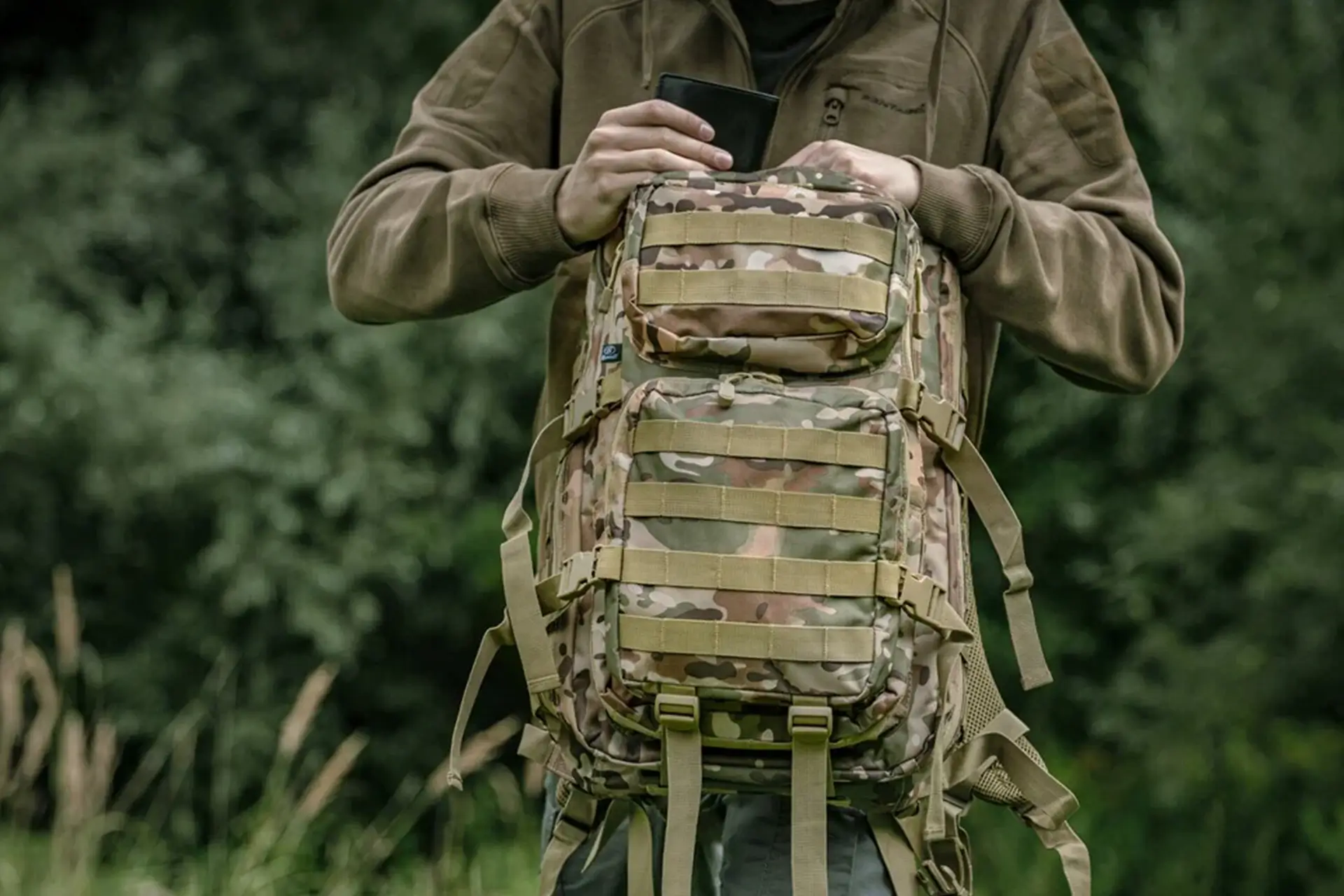
Why Cordura Fabric Is the Top Choice for Tactical Bags? Tactical bag, as a core piece of equipment for military and police personnel on missions and outdoor enthusiasts exploring the wilderness, tactical bags must not only carry various supplies but also withstand wear and tear from complex environments. The performance of their fabric directly determines the reliability and service life of the equipment. Among numerous fabrics, Cordura has become the benchmark fabric in the global tactical bag industry, thanks to its core advantages of ultra-high wear resistance, tear resistance, and lightweight properties. From professional military-standard backpacks to high-end outdoor tactical bags, Cordura fabric is ubiquitous. This article will take you deep into the adaptation logic between Cordura fabric and tactical bags, confirm its advantages through data and cases, interpret the strict standards of the U.S. military for Cordura materials, and introduce reliable supply partners for high-quality Cordura fabric. I. Outline: In-depth Analysis of the Adaptation Between Cordura and Tactical Bags 1. Introduction: Core Performance Requirements of Tactical Bags and the Industry Status of Cordura Fabric 2. Basic Understanding of Cordura Fabric: Origin, Core Characteristics, and Adaptation Logic with Tactical Bags 3. Data + Cases: Core Advantages of Cordura Fabric for Tactical Bags 4. Detailed Explanation of U.S. Military Standards: Specific Requirements for Cordura Materials Used in Tactical Bags 5. Deekon Functional Textile — A Professional Manufacturer and Supplier of Cordura Fabric II. Basic Understanding of Cordura Fabric: From Military Genes to Tactical Adaptation Cordura originally developed by DuPont and now owned by INVISTA, Cordura fabric was born out of the demand for “high-strength, lightweight” fibers. Initially, the nylon 66 fiber was developed to replace cotton thread in tires. With its excellent performance, it was gradually applied in the military industry and became one of the core fabrics for military equipment. Today, Cordura has become synonymous with high-performance wear-resistant fabrics. Its core material is high-strength nylon 66 yarn, with common specifications including 330D, 500D, 750D, 1000D, etc. It can be processed through various weaving methods such as plain weave and Oxford weave, and matched with post-finishing processes such as PU coating and waterproof lamination to accurately meet the usage scenario requirements of different tactical bags. From the perspective of the usage needs of tactical bags, they must simultaneously meet the four core demands of “wear resistance and durability, lightweight, stable load-bearing, and environmental adaptability”. The characteristics of “lightweight, strong, tough, and stable” of Cordura fabric perfectly match these demands. Whether it is scratches from branches in the jungle, friction from rocks in mountainous areas, or wind and rain erosion outdoors, Cordura fabric can provide comprehensive performance support for tactical bags, which is the core reason why it has become the preferred fabric for tactical bags. III. Core Advantages: Double Confirmation of Cordura’s Tactical Value Through Data and Cases 1. Ultra-High Wear Resistance: Core Guarantee for Extending the Service Life of Tactical Backpacks Tactical bags often face continuous friction during use, and wear resistance is a core assessment index. Authoritative data shows that at the same weight, the durability of Cordura fabric is twice that of standard nylon fabric, three(3) times that of polyester fabric, and even ten(10) times that of cotton canvas. Case Confirmation: There are many top Tactical Brands used Cordura for their Tactical Bags, Arc Teryx LEAF, Mystery Ranch, 5.11 Tactical, Helikon-Tex, CamelBak, Blackhawk, Condor Outdoor, Tasmanian Tiger, etc In the actual test by outdoor adventure enthusiasts, after 6 months of high-intensity use such as jungle trekking and rock climbing, the contact surface of the backpack only showed slight wear, no pilling or holes, and its service life is more than three times that of ordinary nylon backpacks. 2. Excellent Tear Resistance and High Strength: Bottom Line for Load-Bearing Safety Tactical bags need to carry various equipment and often face external tearing and heavy object compression, so tear resistance and tensile strength are crucial. Tested according to the ASTM D2261 standard, the tear strength of Cordura fabric can reach more than 200N, far exceeding the 80-120N of ordinary nylon fabric; taking 1000D military-standard Cordura fabric as an example, its warp tensile strength can reach at least 500 pounds, and the weft tensile strength can reach at least 300 pounds, which can easily carry heavy objects without deformation. 3. Strong Environmental Adaptability: Balancing Waterproof, Quick-Drying, and Concealment Tactical bags need to adapt to a variety of complex environments, and Cordura fabric can achieve multiple environmental adaptability through post-finishing processes. Cordura fabric treated with PU coating has a waterproof rating of 3000mm-20000mm, which can effectively resist moderate to heavy rain; it has excellent quick-drying performance, and the water evaporation rate is more than twice that of cotton fabric. Even if wetted by rain, it can dry quickly to avoid moisture damage to the equipment inside the backpack. At the same time, military-standard Cordura fabric adopts a matte finish, which can reduce light reflectivity. Combined with an anti-infrared (IR) coating, it can reduce the infrared transmittance, improving concealment in tactical scenarios and meeting the concealment needs of military operations. 4. Stable Color and Easy Care: Maintaining Stable Performance After Long-Term Use Cordura fabric adopts solution dyeing technology, with excellent color fastness. The wash fastness can reach grade 4 or above, and the rub fastness can reach grade 4-5. Even after 50 industrial washes, it can still maintain uniform color without obvious fading. At the same time, it has mildew resistance and corrosion resistance. After being used in a humid and hot jungle environment, it does not require complex care and can be kept clean with simple wiping, reducing the maintenance cost of tactical equipment. IV. Detailed Explanation of U.S. Military Standards: Strict Requirements for Cordura Materials Used in Tactical Bags As a benchmark user of tactical equipment, the U.S. military has formulated strict standards for the use of Cordura materials to ensure that they can meet the needs of extreme battlefield environments. The core standard is MIL-DTL-32439 (Military Detail Specification: Nylon Fabrics), and the specific requirements cover the following core dimensions: 1. Material and Specification Requirements The U.S. military stipulates that Cordura fabric used in tactical bags must be woven with high-toughness nylon 66 yarn authorized by INVISTA. Common specifications need to match the four grades of Type I (1000D), Type II (750D), Type III (500D), and Type IV (330D) in the MIL-DTL-32439 standard. Different specifications correspond to different tactical scenarios — 1000D is used for heavy tactical backpacks (such as load-carrying equipment), 500D for medium tactical backpacks, and 330D for lightweight assault backpacks. 2. Core Performance Index Requirements • Wear Resistance: According to the Taber Abrasion Test (ASTM D3384), the wear resistance cycle count of 1000D Cordura fabric shall not be less than 700 times; after 5 industrial washes (AATCC 135 standard), the wear resistance attenuation shall not exceed 20%. • Tensile and Tear Strength: The warp tensile strength of 1000D Cordura fabric shall be at least 500 pounds, and the weft tensile strength shall be at least 300 pounds (ASTM D5034 standard); the tear strength shall not be less than 200N (ASTM D2261 standard) to ensure no damage under heavy load and external tearing. • Waterproof Performance: Cordura fabric treated with PU coating shall have a hydrostatic waterproof rating of not less than 3000mm, which can resist moderate to heavy rain; the surface shall have a durable water repellent (DWR) function, so that water droplets can roll off quickly when contacting the fabric without penetration. • Concealment and Color Fastness: The fabric shall have a mat texture with a light reflectivity of less than 15% to avoid exposure to targets due to reflection on the battlefield; the infrared reflectivity shall comply with the U.S. military NIR standard, which can reduce the probability of infrared detection without additional treatment; in terms of color fastness, the wash fastness and rub fastness shall be at least grade 4, and the color uniformity deviation of fabrics from different batches shall not exceed 5%. • Safety Performance: In the vertical burning test (ASTM 6413-99 standard), it shall reach the “no melting and no dripping” level to avoid melting and burning the user in high-temperature environments; it shall have mildew resistance and corrosion resistance, and no mildew shall occur when placed in a high-temperature and high-humidity environment for 72 hours. V. Deekon Functional Textile — A Professional Manufacturer and Supplier of Cordura Fabric High-quality tactical bags are inseparable from the quality control of the source fabric. For tactical equipment brands and outdoor product manufacturers, choosing a Cordura fabric supplier with professional R&D and production capabilities is the core prerequisite for ensuring product quality. As a Functional Textiles Supplier for Tactical, Workwear and Outdoor Industries, Deekon Textile has become a reliable supplier of Cordura fabric by complete production system, strict quality control, and rich customization experience, providing high-quality fabric solutions for the tactical gears industry. Deekon Textile focuses on the design, R&D, production, and sales of high-quality functional fabrics. It has a full-process vertically integrated production capacity from raw material procurement, weaving, dyeing and finishing to post-finishing, which can efficiently meet the needs of large-volume orders. The company has a deep grasp of the core production technology of Cordura fabric and can accurately produce full-specification Cordura fabrics such as, 500D, and 1000D, which are compatible with the U.S. military MIL-DTL-32439 standard and internationally accepted test standards such as ASTM, AATCC and ISO. Key performance indicators such as wear resistance cycle count, tensile strength, and color fastness have reached the top level in the industry. In response to the personalized needs of tactical bags, Deekon Textile can provide customized services: supporting various post-finishing processes such as PU/TPU coating, waterproof lamination, fire-retardant treatment, matte finish, and anti-infrared treatment to achieve multiple functions such as waterproof, concealment, and quick-drying; Over the years, Deekon Textile has always adhered to the concept of “quality first, integrity-based operation” and built a complete quality control system. Each batch of Cordura fabric must undergo more than 20 tests such as wear resistance, tensile strength, and color fastness to ensure stable and reliable product quality. At present, the company has successfully served many mainstream tactical equipment brands and outdoor product retailers around the world, with products covering tactical backpacks, combat uniforms, outdoor equipment and other fields, winning wide recognition in the market. If you have production needs for Cordura fabric, whether it is bulk procurement, customized R&D or ODM cooperation, you can directly contact Deekon Textile to obtain one-stop professional solutions.
Layne | 09-03-2024 | Views 2,716 times
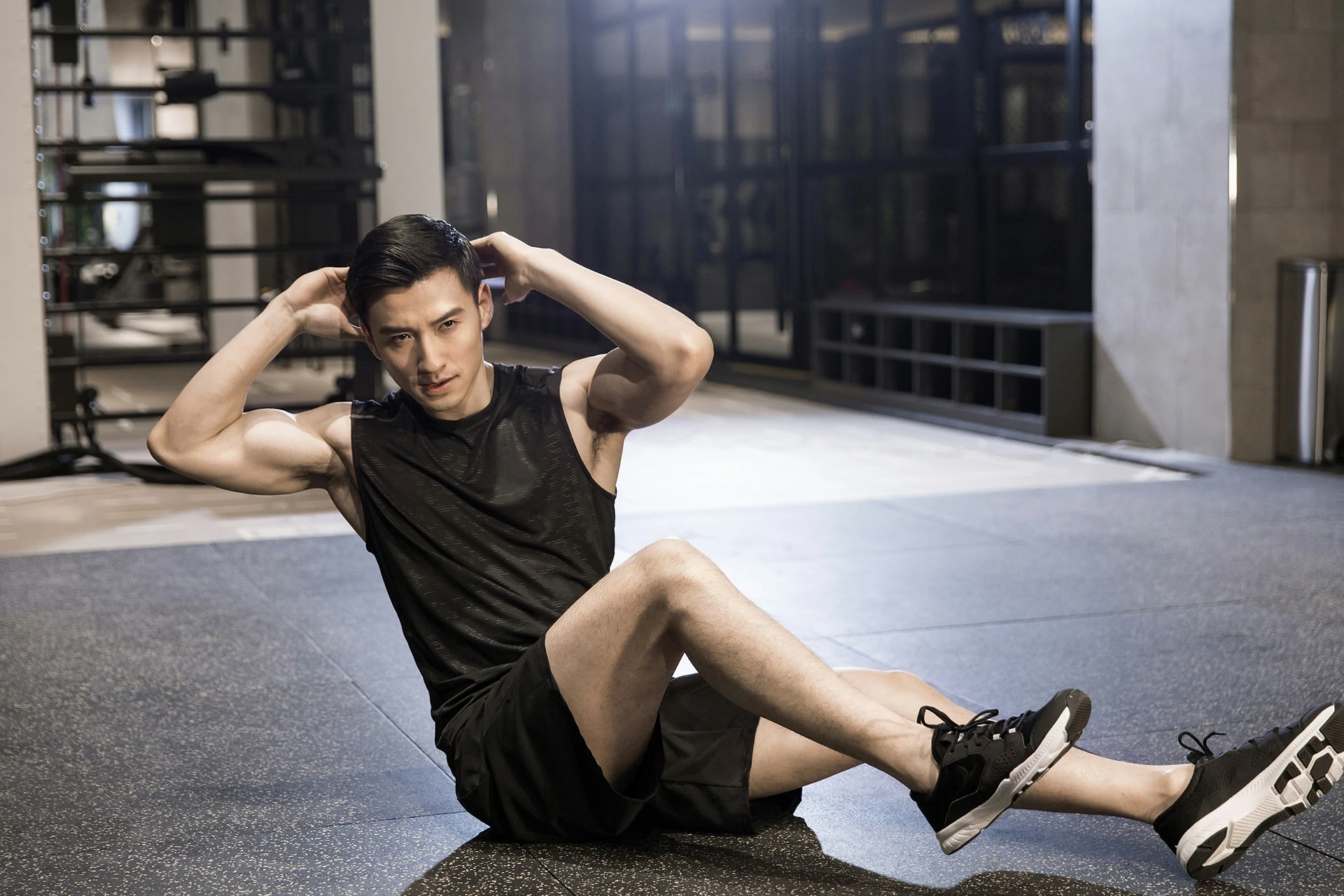
Sweatshirt Knit Fabric Series: Functions and Composition 1. Introduction to Sweatshirt Fabric Sweatshirt fabric is one of the most basic fabrics used in circular knitting. As the name suggests, it is used for making sweatshirts. In technical terms, it is known as single jersey or single-face plain knit. English Name: Single Jersey or Jersey This fabric is commonly used for spring and summer T-shirts, fashion items, autumn and winter underwear, and sports leisure knitwear. It is also widely used in composite fabrics and fashion accessories, making it one of the most common and versatile knitted fabrics. 2. Types of Sweatshirt Fabric Sweatshirt fabric includes: – Pure Cotton Sweatshirt Fabric – Modal Sweatshirt Fabric – Extra Pure Cotton Sweatshirt Fabric – Milk Silk – Refined Bleached Sweatshirt Fabric – Burned-out Luster Sweatshirt Fabric Based on post-dyeing treatments, it can be categorized into solid color sweatshirt fabric, printed sweatshirt fabric, and navy striped sweatshirt fabric. Depending on the raw materials used, there are blended sweatshirt fabrics such as polyester sweatshirt fabric, acrylic sweatshirt fabric, polyester-cotton sweatshirt fabric, silk sweatshirt fabric, and ramie sweatshirt fabric. 3. What is Pure Cotton Sweatshirt Fabric? Characteristics of sweatshirt fabric: The weight per square meter is typically 75-135g/cm². It has a smooth surface, clear texture, fine quality, and a soft touch. It has good elongation both horizontally and vertically, with horizontal stretch being greater than vertical stretch. It has good moisture absorption and breathability but may exhibit issues such as fabric shedding, curling edges, and sometimes uneven loop alignment. Processing Methods: There are two main methods for dyeing and finishing sweatshirt fabric: 1. Refined Bleaching Method: The fabric is boiled, then bleached or dyed, resulting in a dense, smooth fabric with minimal shrinkage. 2. Bleaching Method: The fabric is boiled and then bleached or dyed to produce a soft and elastic fabric. Pure Cotton Sweatshirt Fabric does not contain spandex, hemp, acrylic, or silk. Its characteristics include no elasticity, good sweat absorption, but it wrinkles easily. It often looks similar to terrycloth. 4. What is Modal Sweatshirt Fabric? Modal sweatshirt fabric is popular for underwear, alongside silk and lace. Modal fabric is known for its smooth surface and the addition of stretch yarns during weaving. Typically weighing 150 grams per square meter, it is thin and has good breathability. 5. What is Rayon Sweatshirt Fabric? Rayon sweatshirt fabric, also known as artificial cotton, may be blended with hemp or other materials like spandex or nylon. Rayon fabric is used for short-sleeve shirts and elderly people’s sweatshirts. Characteristics of Rayon Sweatshirt Fabric: This fabric is fluffy and has good drape, providing a light and breezy feel. It does not cling to the skin, making it very popular.
Layne | 09-02-2024 | Views 2,304 times
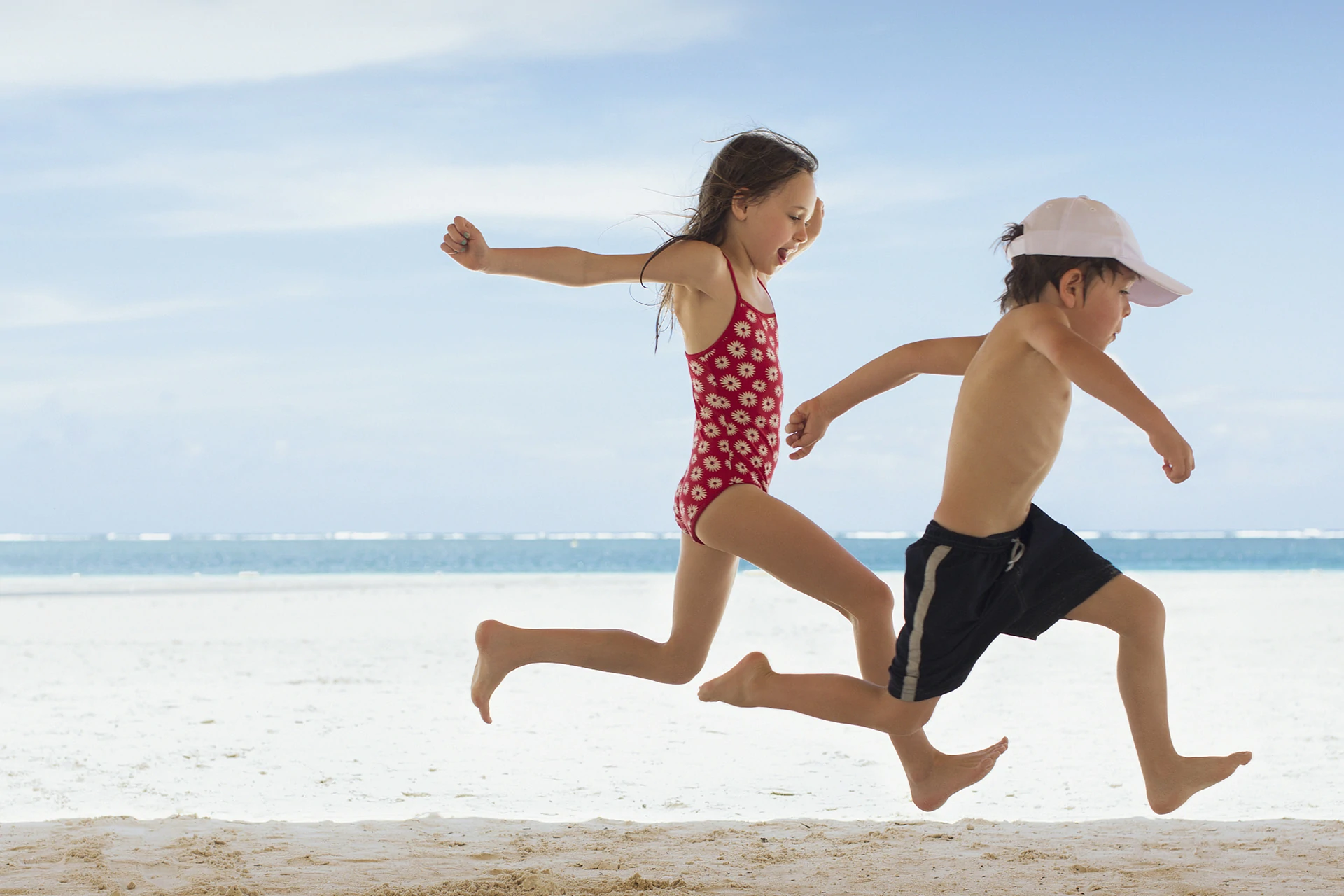
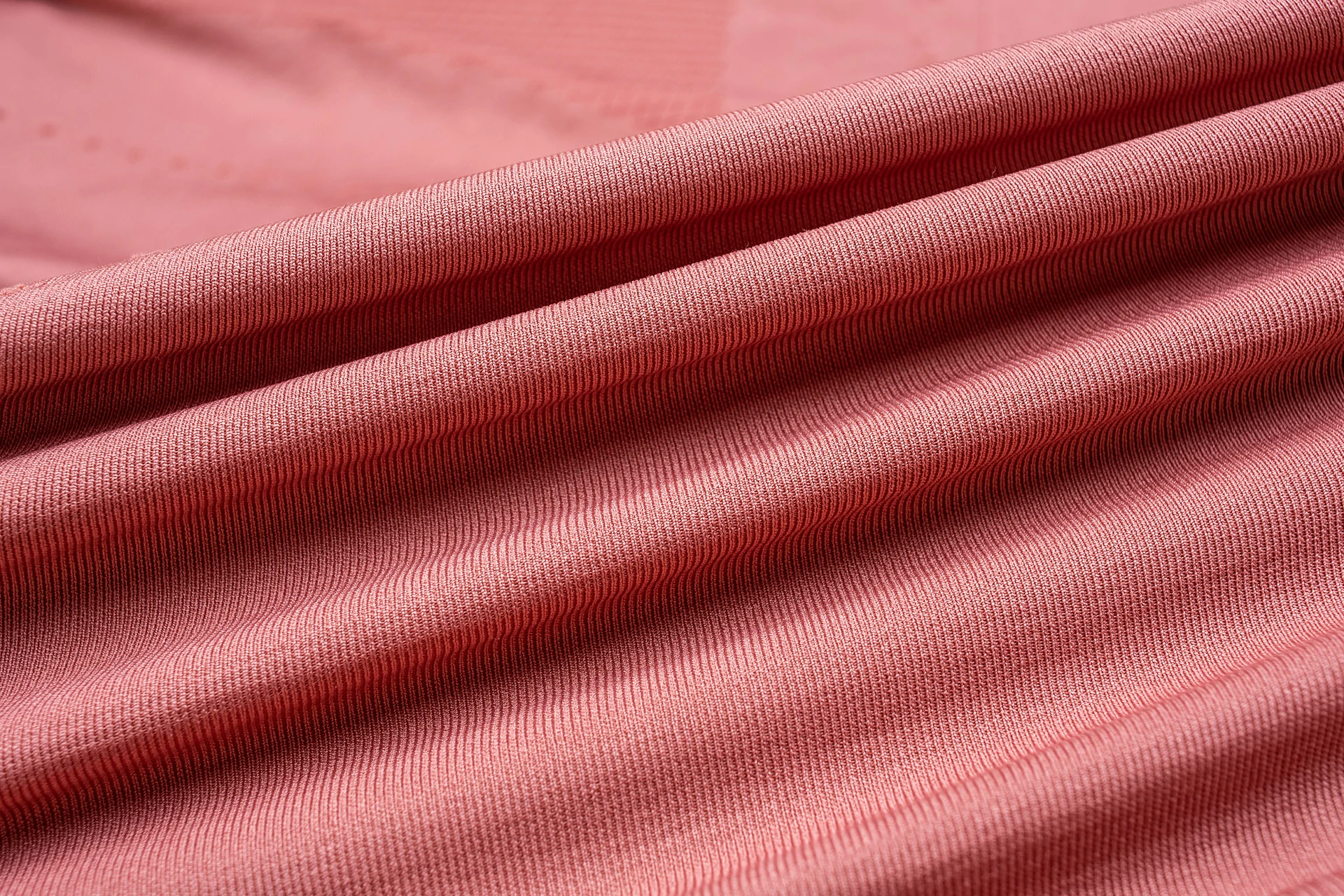
Are you looking for common swimwear fabrics? 1. Common Swimwear Fabrics In the blazing summer, it’s the season for swimwear to shine. So, what are the most commonly used fabrics for swimwear, and how should you select and care for them? 1.1 Lycra (DuPont Lycra): Lycra is a type of synthetic elastic fiber known for its exceptional elasticity, extending up to 4-6 times its original length. It is highly versatile and can be blended with various fibers to enhance properties like drape and wrinkle resistance. Lycra with chlorine resistance will give swimwear a longer lifespan compared to standard materials. 1.2 Nylon (Nylon Fabric): Though not as solid as Lycra, nylon offers comparable elasticity and softness. It is currently one of the most commonly used materials for swimwear, suitable for mid-range priced products. 1.3 Polyester (Polyester Fabric): Polyester is a one-way or two-way stretch fabric. Due to its limited elasticity, it is mostly used in swim trunks or women’s two-piece swimsuits, rather than one-piece designs. It is often employed in partial panels or low-cost strategies. 2. Swimwear Categories 2.1 Women’s Swimwear: Generally categorized into one-piece triangle, one-piece square, two-piece, three-piece, and dress styles. Trendy designs might also include four-piece sets or other unique styles. 2.2 Men’s Swim Trunks: Commonly divided into “briefs,” “boxer briefs,” “trunks,” “board shorts,” “biker shorts,” and “beach shorts.” Occasionally, one-piece suits and wetsuits are also used. 2.3 Girls’ Swimwear: Similar to women’s swimwear, categorized into “one-piece,” “one-piece with shorts,” “two-piece,” “three-piece,” and “dress” styles. 2.4 Boys’ Swim Trunks: Similar to men’s swim trunks, categorized into “briefs,” “boxer briefs,” “trunks,” “board shorts,” “biker shorts,” and “one-piece suits.” 3. Swimwear Washing and Maintenance 3.1 Washing Swimwear: Most swimwear should be hand-washed in cold water (no more than 30°C) and air-dried. Avoid using soap or laundry detergents as they often contain bleaching agents or fluorescent additives that can damage the color and elasticity of the swimwear. 3.2 Maintaining Swimwear: To extend the lifespan of your swimwear, proper care is essential: – A. Salt from seawater, chlorine in pools, chemicals, and oils can damage swimwear elasticity. Apply sunscreen before putting on your swimwear. Rinse the swimwear with fresh water before getting into the water to reduce damage. After swimming, rinse your body before removing the swimwear. – B. Avoid leaving wet swimwear in a bag for extended periods to prevent heat damage, fading, or odor. Rinse promptly in fresh water, gently squeeze out excess water with a towel, and dry in a shaded area away from direct sunlight. – C. Do not machine wash, spin dry, or sun dry swimwear, and avoid using a dryer, as these can damage the material and cause deformation. – D. Avoid using laundry detergents or bleach, as they can degrade elasticity. – E. Avoid rubbing swimwear against rough surfaces like rocks to prevent wear and tear. – F. Note: Wearing swimwear in hot springs or saunas can damage the elasticity of the fabric due to sulfur and high temperatures, shortening the lifespan of your swimwear.
Layne | 09-01-2024 | Views 3,362 times
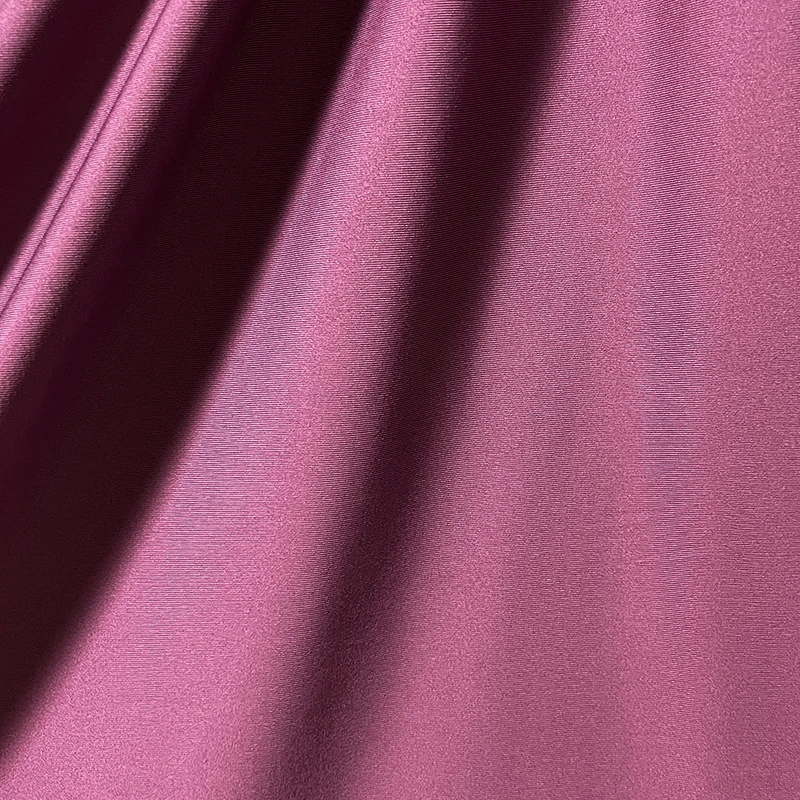
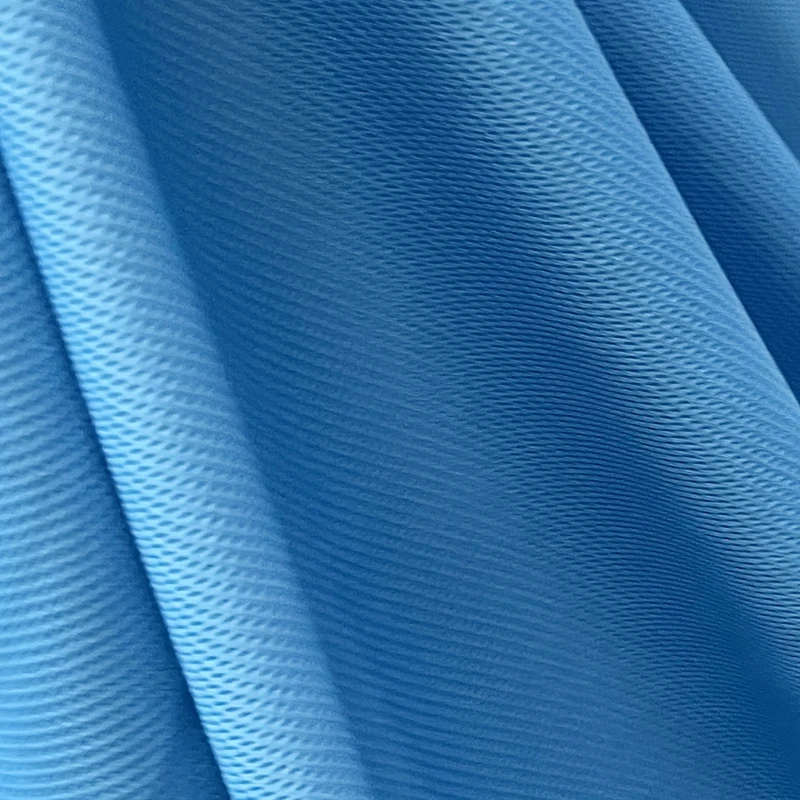
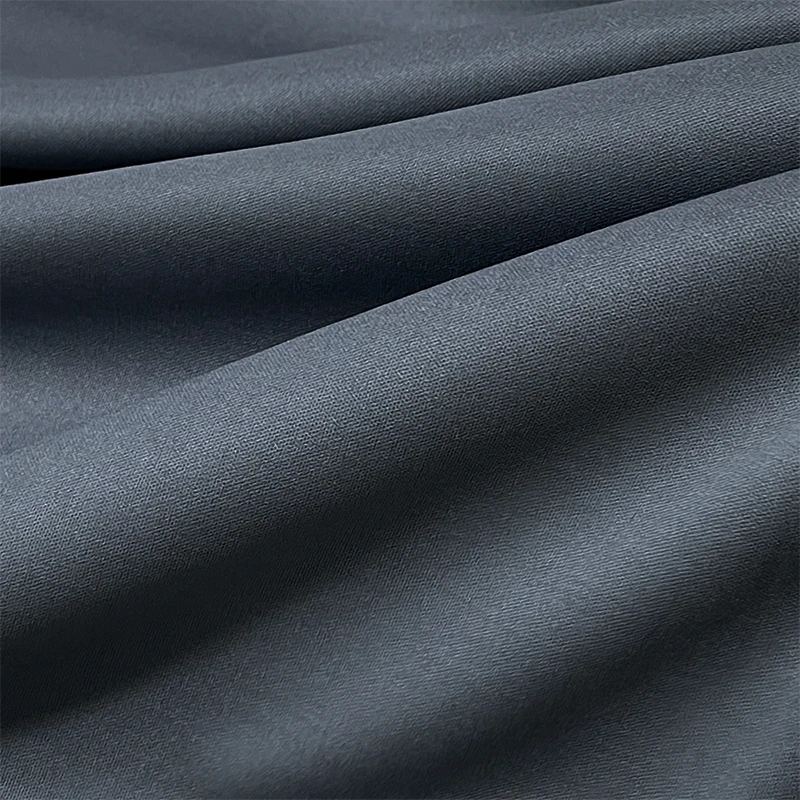
The Versatility of Polyester Stretch Fabric 1. Introduction Polyester stretch fabric is a standout in the textile industry, known for its flexibility, durability, and comfort. This fabric, made from a blend of polyester and elastane (or spandex), is widely used in various applications, from activewear to casual clothing. In this blog, we will explore the unique properties, benefits, and uses of polyester stretch fabric, and why it has become a go-to choice for designers and consumers alike. 2. What is Polyester Stretch Fabric? Polyester stretch fabric is created by blending polyester fibers with elastane, a highly elastic synthetic fiber. Polyester itself is a strong, durable, and wrinkle-resistant material, but when combined with elastane, the resulting fabric gains remarkable stretchability. This combination allows the fabric to retain its shape while providing the necessary flexibility and comfort for a range of activities. 3. Key Properties of Polyester Stretch Fabric Stretchability: The addition of elastane to polyester gives the fabric its notable stretch properties, making it ideal for garments that require flexibility, such as activewear, leggings, and swimwear. Durability: Polyester is inherently strong and resistant to tearing, and the stretch fabric maintains these qualities, ensuring long-lasting wear even with frequent use and washing. Moisture-Wicking: Polyester is known for its moisture-wicking abilities, which helps keep the wearer dry by drawing sweat away from the body. This makes polyester stretch fabric a popular choice for sports and outdoor apparel. Wrinkle Resistance: One of the key advantages of polyester is its resistance to wrinkles, and this property is retained in polyester stretch fabric. Garments made from this fabric maintain a smooth appearance even after being packed or worn for extended periods. Shape Retention: Thanks to the elasticity provided by elastane, polyester stretch fabric returns to its original shape after being stretched, ensuring that garments maintain their fit over time. 4. Applications of Polyester Stretch Fabric Activewear: Polyester stretch fabric is a favorite in the activewear industry. Its stretchability, durability, and moisture-wicking properties make it ideal for sports bras, leggings, yoga pants, and other athletic apparel. Swimwear: The fabric’s ability to stretch and retain its shape, even when wet, makes it perfect for swimwear. It provides comfort and support while ensuring that the garment stays in place during swimming. Casual Wear: Polyester stretch fabric is also widely used in everyday clothing, such as t-shirts, dresses, and jeans. The fabric’s stretchability allows for a better fit, while its wrinkle resistance ensures a neat appearance throughout the day. Undergarments: The softness, stretch, and durability of polyester stretch fabric make it an excellent choice for undergarments, offering comfort and a snug fit without losing shape. Outdoor Gear: Polyester stretch fabric is often used in the production of outdoor gear, such as jackets and pants. Its moisture-wicking and quick-drying properties, combined with its flexibility, make it ideal for activities like hiking, camping, and climbing. 5. Conclusion Polyester stretch fabric is a true textile marvel, combining the strength and durability of polyester with the flexibility and comfort of elastane. Its wide range of applications, from sportswear to everyday clothing, highlights its versatility and practicality. Whether you’re hitting the gym, lounging at home, or exploring the great outdoors, polyester stretch fabric offers the perfect blend of comfort, performance, and style.
Contact us now for a free consult!