
Layne | 07-11-2024 | Views 1,018 times
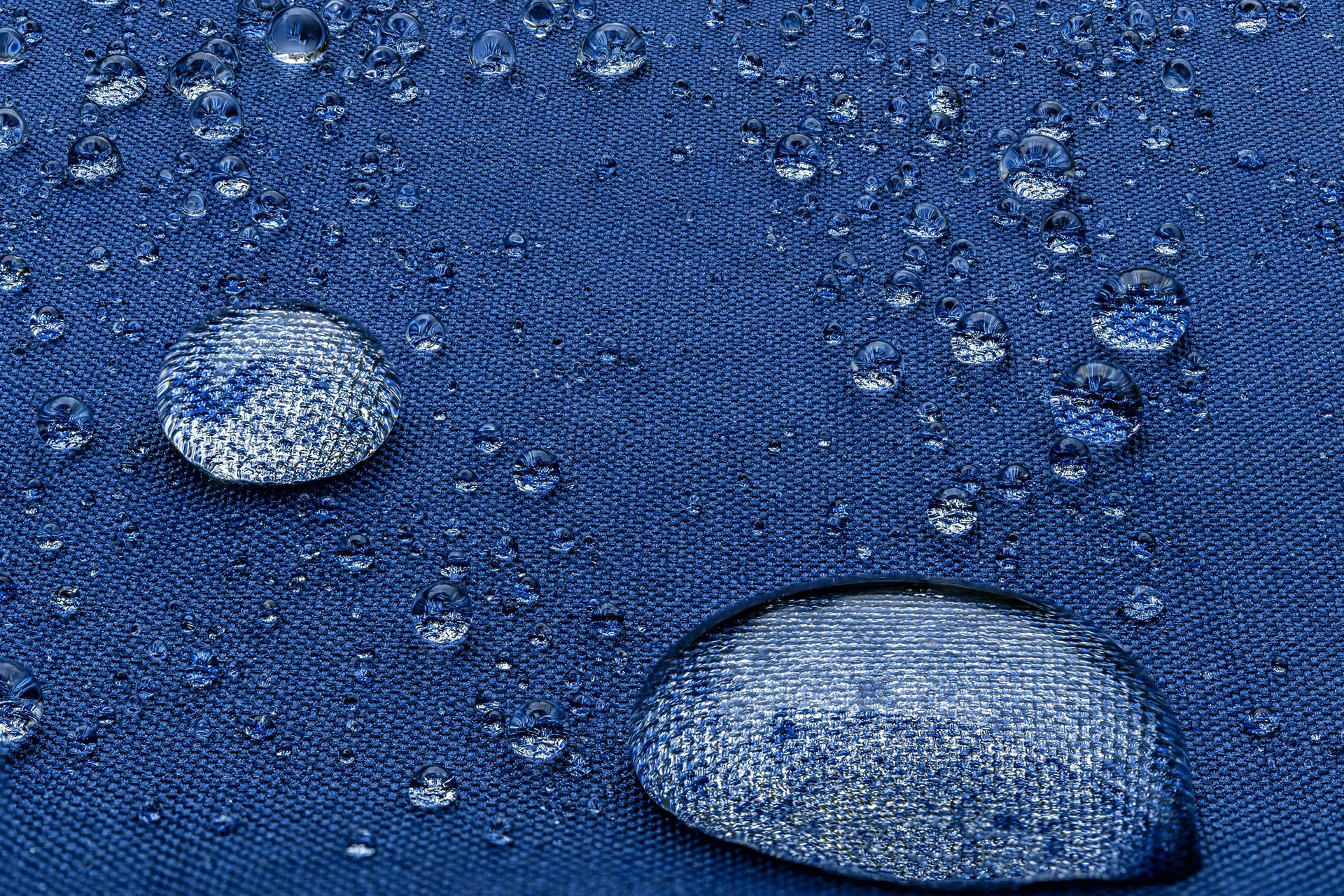
What is the Waterproof Fabric and How it is Used Waterproof fabric is a specialized textile designed to repel water and prevent it from penetrating the material. This unique capability makes waterproof fabrics essential for a wide range of applications, from outdoor gear to everyday clothing. In this blog post, we’ll delve into what waterproof fabric is, how it works, its types, and its various uses. 1. What is Waterproof Fabric and how does it work? Waterproof fabric is a type of textile that has been treated or engineered to resist water penetration. Unlike water-resistant fabrics that only delay the penetration of water, waterproof fabrics completely prevent water from passing through, keeping the wearer dry and comfortable even in wet conditions. The waterproofness of a fabric is achieved through various methods: Coating or Laminating: Fabrics can be coated or laminated with a waterproof material such as polyurethane (PU) or a waterproof membrane like Gore-Tex®. Coatings are applied directly to the fabric surface, while laminates involve bonding a waterproof membrane to the fabric. DWR (Durable Water Repellent) Treatment: Many waterproof fabrics are treated with a DWR coating on the outer surface. DWR enhances the fabric’s ability to shed water by causing it to bead up and roll off the surface instead of soaking in. Waterproof Membranes: These membranes are typically made of expanded polytetrafluoroethylene (ePTFE) or polyurethane. They have microscopic pores that are too small for water droplets to pass through but large enough for water vapor (perspiration) to escape, allowing for breathability. 2. How Many Types of Waterproof Fabrics? Polyurethane (PU) Coated Fabrics: These fabrics have a PU coating applied to one side, making them waterproof and often lightweight. They are commonly used in rain jackets, tents, and backpacks. Waterproof Breathable Fabrics (e.g., Gore-Tex®): These fabrics feature a waterproof membrane laminated between layers of fabric. They offer superior waterproofing while allowing moisture vapor to escape, keeping the wearer dry and comfortable during physical activity. Waxed Cotton: Cotton fabric treated with wax (such as beeswax or paraffin) becomes waterproof and wind-resistant. Waxed cotton is durable and has a classic look, often used in outerwear and bags. Vinyl and Rubberized Fabrics: These fabrics are inherently waterproof due to their composition. They are commonly used in items like raincoats, boots, and waterproof bags. 3. Where is Waterproof Fabric Applied? Waterproof fabrics find applications across various industries and products: Outdoor Gear: Including jackets, pants, tents, and backpacks used for hiking, camping, and mountaineering. Sports and Athletic Wear: Waterproof fabrics are used in outerwear and footwear for activities like skiing, snowboarding, and cycling. Military and Tactical Gear: Ensuring protection and comfort in harsh environments. Medical and Protective Clothing: Waterproof fabrics are used in surgical gowns, coveralls, and protective suits. Fashion and Lifestyle: Waterproof fabrics are incorporated into stylish raincoats, umbrellas, and bags for urban us
Layne | 07-11-2024 | Views 985 times
What Is Stretch Fabric and How it works When selecting any garment, comfort is a paramount consideration. It’s crucial to avoid discomfort such as fabric sticking or restricting movement. Therefore, understanding the fabric properties is vital whether you’re creating or wearing clothing. Stretch fabric, like spandex or elastane blends, is widely favored, particularly in sportswear, for its elasticity and comfort. However, selecting the right stretch fabric involves careful consideration. In this blog post, we’ll explore essential aspects of this practical material. 1. What is Stretch Fabric? Stretch fabric refers to fabric that can expand due to its fibers’ ability to stretch and then return to its original size. Stretch fabrics are categorized as “2-way” or “4-way”. The former stretches horizontally from selvage to selvage, while the latter stretches both horizontally and vertically. These fabrics utilize elastic fibers like elastane, which is also known as Lycra or Spandex. Elastane, often blended with materials like polyester, cotton, or nylon, provides elasticity while maintaining the fabric’s original shape. Elastane and elastane blends are common in stretch fabrics. Elastane, also known as Lycra or Spandex, was first introduced in the U.S. as K-fibers in 1959. It can stretch significantly on its own and is blended with other materials like polyester or cotton to enhance elasticity without compromising comfort. Knitted Fabrics: Knitted fabrics achieve elasticity through looped interwoven fibers. These fabrics are often bi-directional and can include elastic fibers such as elastane, viscose, or polyester to enhance stretchiness. They are widely used in everyday items like sweaters and socks. Rubber/Latex:Natural latex, derived from rubber tree sap, provides elasticity and water resistance. However, its breathability and potential for skin irritation limit its use in clothing. Neoprene rubber, a synthetic alternative, mimics rubber’s stretch and water resistance while improving flexibility and comfort. 2. Where is Stretch Fabric used? Stretch fabric is widely utilized across various industries and applications due to its unique properties of elasticity, comfort, and versatility. Here are some common areas where stretch fabrics are used: Sportswear and Activewear: Stretch fabrics like spandex blends (e.g., polyester-spandex, nylon-spandex) are extensively used in sportswear such as leggings, athletic shorts, and compression garments. These fabrics provide freedom of movement and support during physical activities. Casual Wear: Stretch fabrics are found in everyday clothing items such as T-shirts, jeans, dresses, and skirts. They enhance comfort and fit while maintaining style and durability.Undergarments: Lycra or spandex is a staple in undergarments like bras, panties, and shapewear, providing support and shaping. Swimwear: Stretch fabrics are ideal for swimwear due to their ability to retain shape in water, provide a snug fit, and offer freedom of movement. They are commonly used in swimsuits, rash guards, and diving suits. Intimate Apparel: Stretch fabrics are used in lingerie and intimate apparel to ensure a comfortable fit and support while maintaining aesthetics. Performance Gear: Beyond clothing, stretch fabrics are utilized in performance gear such as gloves, socks, and headwear. These items benefit from the fabric’s flexibility and moisture-wicking properties. Medical and Orthopedic Uses: Elastic fabrics are employed in medical applications like compression stockings, bandages, and orthopedic braces. These fabrics provide support and comfort for therapeutic purposes. Home Textiles: Stretch fabrics are increasingly used in home textiles such as bedsheets, pillowcases, and upholstery covers. These fabrics offer a snug fit and ease of maintenance. Automotive and Upholstery: In automotive industries, stretch fabrics are used in seat covers and interior upholstery. The elasticity and durability of these fabrics contribute to comfort and longevity. Industrial Applications: Certain industrial sectors utilize stretch fabrics for protective clothing, uniforms, and specialized gear where flexibility and durability are essential. 3. What is the Characteristics of Stretch Fabrics? Stretch fabrics are tear-resistant, dimensionally stable, and quick-drying due to their low moisture absorption. They return to their original shape after stretching and are wrinkle-resistant, making them easy to care for. However, when blended with cotton, they may be prone to pilling over time. Stretch fabrics are essential for comfortable and flexible clothing. Whether for sportswear, casual wear, or undergarments, their elasticity and comfort make them indispensable in modern clothing design. Understanding the types and properties of stretch fabrics ensures the right choice for creating or selecting garments that prioritize comfort and movement.
Layne | 07-11-2024 | Views 1,253 times
Exploring Durability: Key Factors and Top Fabrics for Wear Resistance 1. What Makes a Fabric Durable? When it comes to choosing fabrics for various applications, durability and wear resistance are crucial factors to consider. Fabrics that can withstand abrasion and maintain their integrity over time are highly sought after in industries ranging from fashion and interior design to outdoor gear and upholstery. Let’s delve into the characteristics of durable fabrics and explore some of the top contenders in the realm of wear resistance. Durable fabrics exhibit several key characteristics that contribute to their ability to withstand wear and tear: Fiber Strength: The inherent strength of the fibers used in the fabric significantly impacts its durability. Fibers like nylon, polyester, and certain natural fibers such as wool and silk are known for their robustness and resistance to abrasion. Weave Structure: The way fibers are interlaced in the weave structure of the fabric plays a crucial role in its durability. Tighter weaves generally offer better resistance to abrasion compared to looser weaves. Surface Finish: Some fabrics are treated with coatings or finishes that enhance their durability. Examples include fabrics with DWR (Durable Water Repellent) finishes or those treated with abrasion-resistant coatings. Blended Fabrics: Combining different types of fibers in a fabric blend can enhance its durability. For instance, blends of polyester and cotton often result in fabrics that are both strong and comfortable. 2. Top Durable Fabrics Several types of fabrics are renowned for their exceptional durability and wear resistance: Cordura®: Cordura® fabrics are known for their durability and are commonly used in high-performance gear and apparel. They are made from nylon fibers and are highly resistant to abrasion, tears, and scuffs. Denim: Denim fabric, traditionally made from cotton, is celebrated for its durability and ruggedness. It’s a popular choice for jeans and workwear due to its abrasion resistance. Canvas: Canvas fabrics, usually made from cotton or a cotton blend, are robust and durable. They are widely used in tents, bags, and outdoor furniture due to their strength and longevity. Wool: Wool fibers are naturally resilient and have excellent abrasion resistance. Wool fabrics are often used in upholstery and carpets for their durability and luxurious feel. Polyester Blends: Fabrics made from polyester blends, such as polyester-cotton blends or polyester-rayon blends, are valued for their durability, wrinkle resistance, and ease of care. 3. Applications of Durable Fabrics Durable fabrics find applications in various industries and products: Outdoor Gear: Tents, backpacks, and outdoor apparel require fabrics that can withstand rough outdoor conditions. Automotive Upholstery: Fabrics used in car seats and interiors need to be durable to withstand constant use and abrasion. Home Furnishings: Upholstery fabrics for sofas, chairs, and curtains benefit from durability to maintain their appearance and functionality over time. Workwear and Uniforms: Fabrics used in uniforms and workwear need to be durable to withstand the demands of daily wear and rigorous activities. Choosing the right fabric with excellent wear resistance is essential for ensuring longevity and performance in various applications. Whether you’re selecting fabrics for outdoor adventures, home furnishings, or industrial use, understanding the factors that contribute to durability will guide you in making informed decisions. From Cordura® nylon to denim and wool, the world of durable fabrics offers a wide range of options to suit different needs and preferences. By prioritizing durability, you can invest in fabrics that not only meet but exceed expectations in terms of wear resistance and longevity, ensuring satisfaction and reliability in every application.
Layne | 07-11-2024 | Views 1,155 times
What Makes Fabric Cool? 1. Defining Coolness in Fabrics When we refer to “cool” fabrics, it’s easy to imagine them as portable air conditioners constantly keeping you cool. However, this isn’t entirely accurate. These fabrics don’t just provide a direct sensation of coolness (contact cooling). In less humid environments, they excel at wicking away sweat from the skin, allowing clothes and skin to dry quickly. This freshness also contributes to the cooling effect, as it prevents your body temperature from rising further and helps dissipate heat. Once your body temperature and the environment reach a thermal balance, the cooling effect naturally ceases. 2. Understanding How Fabrics Help Cool the Body When we feel cool, it’s actually because our body temperature is dropping. But how can we lower our body temperature in the first place? The main heat dissipation mechanisms within the human body are influenced by environmental factors such as radiation, convection, conduction, and evaporation. Thermal Conductivity: Different materials have different thermal conductivity. Materials with good conductivity are more likely to impart a cooling sensation, while materials with poor conductivity will feel warmer. Thermal Convection: Thermal energy transfers from a higher temperature area to a lower temperature one. For instance, in winter, room temperature is usually lower than that of a given fabric. Similarly, when you first put on a feather jacket, your skin feels cool because your body heat transfers to the cooler material, causing you to feel cool initially. Cooling Through Evaporation: When we sweat, heat dissipates, but if the sweat is retained by our clothing, it can make us feel damp and stuffy. When sweat evaporates and dries quickly, it helps cool us down. It is important to mention that the easiest way to stay cool is to simply move away from or block out the source of heat. For example, clothing can prevent solar radiation from directly hitting our skin. Studies show that the body temperature of someone wearing regular clothing in the sun is lower than that of someone who is naked. The well-known fabric manufacturer Schoeller uses this principle in its Coldblack line of yarn, which is designed to keep the body temperature from rising. 3. Which Material Offers the Best Cooling Properties? Polyester Polyester fiber has low moisture content due to its hydrophobic nature, which allows it to dry quickly and provide a refreshing effect. Since polyester doesn’t absorb water, clothes made from this fabric don’t easily stick to the skin, creating a cooling sensation. With a moisture regain of only 0.4%, sweat evaporates quickly without remaining in the yarn or cloth, allowing thermal energy to be expelled efficiently. Yarn manufacturers leverage these quick-drying properties to develop moisture-wicking yarns with uniquely shaped cross-sections, such as the well-known Coolmax. Compared to regular round-shaped yarn, this special structure increases the gaps between fibers while decreasing their size, promoting capillary action. This allows sweat to be discharged and evaporate faster, ensuring the wearer stays comfortable and doesn’t feel stuffy. Nylon Nylon has a high water content and good heat conductivity, which both contribute to its uniqueness to the touch and its cooling properties. Compared with polyester fiber, which has a moisture regain of only 0.4%, nylon has a moisture regain of 4%, which lends it greater heat conducting capabilities. However, this high moisture regain percentage means its hydrophobic capabilities aren’t as good, which leads to it drying more slowly than polyester. Therefore, some of the lighter and thinner nylon fabrics, even those which have not had any cooling capabilities added, can still provide a contact cooling sensation when used indoors. This high moisture regain capability of nylon is often further increased by manufacturers to improve its contact cooling effect. Rayon Rayon is a kind of cellulose fiber which is made from reprocessed wood pulp. Although the raw materials used to produce it are natural, it is necessary to add chemical substances to them during manufacturing, which means that the material is considered part artificial and part natural. Since it is a semi-artificial material, its moisture regain properties can be adjusted, making rayon not only soft to the touch but also giving it contact cooling capabilities. 4. Texture in Cooling Fabrics Even when cooling yarn is used, thick and dense fabrics can reduce its cooling properties. Therefore, designing fabrics with a light or lower-density weave, or even into mesh, is essential. Lighter fabrics dry faster after coming into contact with sweat, accelerating the cooling effect through evaporation. In recent years, top brands have been researching human sweat patterns to design larger holes in hot areas of the body, leading to body mapping designs. If it’s not possible to position these holes during weaving, a splicing approach can be used, incorporating mesh or other breathable fabrics in high-sweat areas like the underarms or back. Additionally, some brands have developed “moisture responsive transformation” fibers that lengthen after absorbing sweat, opening the fabric’s pores and allowing body heat and water vapor to escape quickly. This enhances heat convection and speeds up sweat evaporation. 5. Conclusion Nowadays, the market offers a wide range of cooling clothes made from various materials and using different techniques to achieve a cooling effect in multiple ways. Understanding cooling fabrics in depth before designing clothing can help select the most suitable materials and create better design plans. We hope the content above enhances your knowledge of cooling fabrics. For all your knitted cooling fabric needs, please don’t hesitate to contact us!
Layne | 07-11-2024 | Views 1,164 times
Understanding Knitted Fabric 1. Introduction Knitted fabric is a versatile and essential material in the textile industry, known for its unique properties and wide range of applications. Whether you’re wearing a cozy sweater, a comfortable t-shirt, or high-performance activewear, chances are you’re experiencing the benefits of knitted fabric. In this blog, we’ll explore what makes knitted fabric special, its characteristics, and its diverse uses. 2. What is Knitted Fabric? Knitted fabric is created through the process of knitting, where yarns are interlooped to form a flexible, stretchy material. Unlike woven fabric, which is made by interlacing two sets of yarns at right angles, knitted fabric is produced by continuously looping a single yarn or multiple yarns. 3. Characteristics of Knitted Fabric Elasticity: One of the standout features of knitted fabric is its elasticity. The interlooped structure allows the fabric to stretch and recover, providing a comfortable fit and freedom of movement. This makes it ideal for garments that need to accommodate various body shapes and sizes. Softness: Knitted fabrics are generally softer than woven fabrics, offering a plush, comfortable feel against the skin. This softness is particularly appreciated in items like baby clothes, underwear, and loungewear. Breathability: The open structure of knitted fabric allows air to circulate easily, enhancing breathability. This makes knitted fabric an excellent choice for warm-weather clothing and activewear, helping to keep the wearer cool and comfortable. Insulation: Despite its breathability, knitted fabric can also provide good insulation. The loops in the fabric trap air, creating a layer of warmth, which is why knitted items like sweaters and scarves are popular in colder weather. Versatility: Knitted fabric can be made from a variety of yarns, including cotton, wool, synthetic fibers, and blends. This versatility allows for a wide range of textures, weights, and finishes, catering to different needs and preferences. 4. Types of Knitted Fabrics Weft Knitting: Weft knitting involves looping the yarn horizontally. Common weft-knitted fabrics include jersey, rib, and interlock. These fabrics are widely used in everyday apparel due to their flexibility and comfort. Warp Knitting: Warp knitting involves looping the yarn vertically. This method produces fabrics like tricot, raschel, and Milanese. Warp-knitted fabrics are often used in more technical applications, including lingerie, sportswear, and industrial textiles. 5. Applications of Knitted Fabric Apparel: Knitted fabric is a staple in the fashion industry, used for t-shirts, sweaters, dresses, leggings, socks, and more. Its stretch and comfort make it perfect for garments that need to move with the wearer. Activewear: The flexibility, breathability, and moisture-wicking properties of knitted fabric make it ideal for sportswear and activewear. Items like yoga pants, running tops, and athletic shorts benefit from the performance qualities of knitted fabric. Home Textiles: Beyond clothing, knitted fabric is also used in home textiles such as blankets, cushions, and upholstery. Its softness and warmth add a cozy touch to home décor. Technical Textiles: Advanced knitting techniques are employed to produce technical textiles for medical applications, automotive interiors, and protective gear. Knitted fabrics in this category often require specific performance attributes, such as stretchability, durability, and breathability.
Layne | 06-27-2024 | Views 752 times
Antimicrobial Fabric Can It Kill Germs? 1.What Is Antimicrobial Fabric? Antimicrobial fabric refers to any textile that protects against the growth of bacteria, mold, mildew, and other pathogenic microorganisms. This is achieved by treating textiles with an antimicrobial finish that inhibits the growth of hazardous microbes, creating an added layer of defense and prolonging the life of the fabric. 2.Where is an Antimicrobial Fabric Used? Antimicrobial fabrics are used across a wide range of end-use applications. We have listed a few examples below. Housewares: towels, bedding, upholstery, carpets, curtains, pillows Commercial: window coverings, military fabrics, uniforms, tenting, carpets. Apparel: caps, jackets, workwear, sportswear, fleeces, intimates Building Products: architectural fabrics, awnings, canopies Healthcare: scrubs, masks, drapery, window coverings, bedding, filters, lab coats 3.Can antimicrobial fabric stop the spread of viruses? While antimicrobial fabric works great to slow the growth of microbes, it does not kill pathogens on contact, meaning it is not completely effective at stopping the spread of viruses. Even the fastest acting antimicrobial textiles take several minutes to kill microbes, while others only stop or slow their growth. Instead of using them as a substitute for hygiene and other health and safety precautions, they should be thought of as an extra layer of defense against harmful microorganisms to use in addition to your regular sanitary protocol. 4.What are the benefits of Antimicrobial Fabric Treatment Antimicrobial fabrics offer freshness, stain protection, and extended product life, even for heavy-duty outdoor applications. Formulated to provide excellent durability, antimicrobial fabrics treated with Ultra-Fresh or Silpure offer effective performance after multiple cleanings or extended exposure to environmental stresses. 5.How are Antimicrobial Additives for Fabrics Applied? Antimicrobial fabric treatments can be applied during normal textile finishing processes, meaning no special equipment or processing steps are required. When applying by coating, padding, exhaustion, or foaming, the antimicrobial additive can typically be used in combination with other common auxiliaries such as softeners, moisture management systems, fluorocarbon, or resins. Antimicrobial treatment for fabric can be used in textile coatings by adding directly to the liquid prior to application. Certain antimicrobial additives for fabrics can also be included during the extrusion process of synthetic fibers such as polyester, polyamide, or polypropylene.
Layne | 06-27-2024 | Views 1,295 times
What is UV Resistant Fabric ? 1. Introduction In today’s world, protecting ourselves from the harmful effects of the sun’s ultraviolet (UV) rays is more important than ever. One of the most effective ways to do this is by using UV resistant fabric. This blog will delve into what UV resistant fabric is, its benefits, applications, and how to choose the right one for your needs. Whether you’re looking to stay safe while enjoying the outdoors or simply want to extend the life of your outdoor furniture, understanding UV resistant fabric is essential. 2. What is UV Resistant Fabric? UV radiation, a component of sunlight, can cause significant damage to our skin and other materials over time. UV resistant fabrics are specially designed to block or reduce the penetration of UV rays, offering protection and preserving the integrity of the material. These fabrics achieve their UV resistance through various means, including tight weaves, chemical treatments, and the use of UV-absorbing materials. There are different types of UV resistant fabrics available, each with unique properties. Common materials include polyester, nylon, and specially treated cotton. These fabrics are often rated with an Ultraviolet Protection Factor (UPF), which indicates how much UV radiation can penetrate the fabric. Blended Fabrics: Fabrics that combine natural and synthetic fibers (e.g., cotton-polyester blends) pose a challenge for recycling because separating these fibers can be difficult. However, there are advancements in technology that allow for the recycling of blended fabrics through innovative processes. 3. Benefits of UV Resistant Fabric The health benefits of UV resistant fabric are significant. By blocking harmful UV rays, these fabrics help prevent sunburn and reduce the risk of skin cancer. For individuals with sensitive skin or conditions aggravated by sun exposure, UV resistant clothing provides an extra layer of defense. Beyond health benefits, UV resistant fabrics are known for their durability. Regular exposure to sunlight can cause fabrics to fade, weaken, and degrade over time. UV resistant fabrics are designed to withstand prolonged sun exposure, making them ideal for outdoor use. These fabrics are also incredibly versatile. From clothing and hats to outdoor furniture covers and umbrellas, UV resistant fabrics are used in a wide range of applications, ensuring protection wherever you need it. 4. Applications of UV Resistant Fabric UV resistant fabrics are used in numerous applications, providing protection and durability in various settings: Everyday Clothing: UV resistant shirts, pants, hats, and swimsuits are perfect for daily wear, especially during outdoor activities. Outdoor Gear: Tents, backpacks, and sleeping bags made from UV resistant materials offer enhanced protection for campers and hikers. Home and Garden: Curtains, awnings, and patio furniture covers made from UV resistant fabric help protect your home and garden furnishings from sun damage. 5. Choosing the Right UV Resistant Fabric When selecting UV resistant fabric, consider the following factors: UPF Rating: Look for fabrics with a high UPF rating, indicating superior UV protection. A UPF rating of 50+ is ideal for maximum protection. Material: Different materials offer varying levels of comfort and breathability. Choose a fabric that suits your specific needs and preferences. Comfort and Style: Ensure the fabric is comfortable to wear or use and matches your style preferences. Care and Maintenance: Follow the manufacturer’s instructions for care and maintenance to prolong the fabric’s lifespan. Regular cleaning and proper storage can help maintain its UV resistance.
Layne | 06-25-2024 | Views 615 times
Eco-Recyclable Fabric 1. What is Eco-Recyclable Fabric? Recyclable fabric refers to textiles that can be processed and reused to create new products or materials after their original use has ended. These fabrics are designed to be part of a closed-loop recycling system, where they can be collected, sorted, and transformed into new fibers or materials without significant loss of quality. Recyclable fabrics are part of sustainable fashion initiatives aimed at reducing waste and minimizing the environmental impact of textile production. By choosing recyclable fabrics and supporting recycling programs, consumers and businesses contribute to a more circular economy in the textile industry. 2. Different Types of Recyclable Fabrics Natural Fibers: Fabrics made from natural materials such as cotton, wool, silk, and linen can be recyclable. These fibers can be mechanically recycled (where they are shredded and respun into new yarn) or chemically recycled (where the fibers are broken down into their chemical components and then reprocessed into new fibers). Synthetic Fibers: Many synthetic fibers like polyester, nylon, and acrylic are also recyclable. These materials can be chemically processed to break down the fibers into their original components, which can then be used to create new fibers without losing quality. Blended Fabrics: Fabrics that combine natural and synthetic fibers (e.g., cotton-polyester blends) pose a challenge for recycling because separating these fibers can be difficult. However, there are advancements in technology that allow for the recycling of blended fabrics through innovative processes. 3. Why We Develop Eco-Recyclable Fabric? Recycling textiles is undoubtedly a sustainable practice that benefits the environment. Deekon Textile’s eco-friendly recycled fabric range, certified by the Global Recycled Standard (GRS), ensures reliable tracing of recycled sources throughout every manufacturing process. This initiative helps significantly reduce the industry’s carbon footprint and overall textile manufacturing costs.
Layne | 06-25-2024 | Views 2,157 times
Moisture-Wicking Fabric 1. What is Moisture-Wicking and How Does It Work? Moisture wicking is the process of pulling sweat away from your skin during a workout. Fabrics designed for moisture wicking draw sweat to the surface of your clothing where it can evaporate, keeping you comfortable and dry throughout your exercise session. This capability arises from capillary action, where moisture moves through tiny pores in the fabric to its outer surface. Once there, surface tension causes the moisture molecules to evaporate swiftly. This guide covers everything you need to know about moisture-wicking fabric, including their composition, functionality, and the most suitable fabric types for various workouts. There are three primary methods to impart wicking properties to a garment: -Yarn Construction: Wicking yarn differs from regular yarn by having a non-round shape, such as cross or flower-shaped, with more spaces and channels. This design facilitates capillary action, where tiny tubes (capillaries) within the yarn enable moisture to move through the fabric. Typically made from synthetic filaments like polyester and nylon, wicking yarn allows sweat to be wicked away from the body, aiding evaporation into the air. -Knitting Structure: Known as one-way or mechanical wicking, this method involves knitting fabric in specific patterns. These patterns direct moisture towards the outer layer of the garment, where it spreads over a larger surface area. This process accelerates evaporation, enhancing moisture management. -Chemical Finish: To impart wicking properties to regular fabrics, a chemical finish containing hydrophilic molecules can be applied during dyeing or finishing processes. These additives bond with the fabric’s surface, making it hydrophilic. While chemical finishes are cost-effective compared to wicking yarn, they gradually diminish with washing. 2. Why We Need Moisture-Wicking? Sweat is crucial for regulating body temperature, but when absorbed by workout clothes, it can lead to discomfort—alternating between feeling hot and cold. Moisture-wicking fabric help maintain comfort by reducing bacterial growth and preventing chafing. 3. Different Moisture-Wicking Material Synthetic Moisture-Wicking Fibers: Synthetic fibers are chemically engineered to enhance moisture-wicking properties. Common types include: – Polyester: Lightweight, durable, quick-drying, and wrinkle-resistant. – Polypropylene: Water-repellent, breathable, and retains heat effectively. – Nylon: Stretchy, mildew-resistant, lightweight, and quick to dry. – Acrylic: Lightweight, shape-retaining, and good at retaining heat. – Spandex: Highly elastic, smooth, and moderately moisture-wicking. – GORE-TEX®: Waterproof, windproof, ideal for layering and enduring various weather conditions. Natural Moisture-Wicking Fibers: Natural fibers possess inherent moisture-wicking capabilities, rooted in their natural functions for plant growth and animal cooling. Derived from organic materials, they offer an environmentally-conscious alternative to synthetics. – Bamboo: Breathable, odour-resistant, and stretchy, bamboo’s natural moisture-wicking ability comes from its water-absorbing properties, thriving in hot, humid environments. – Wool: Naturally breathable and thermoregulating, wool absorbs moisture into its fibers while effectively releasing it from both the surface and spaces between fibers, maintaining insulation. – Rayon: Derived from wood pulp, rayon combines natural and synthetic elements. It is known for being wrinkle-resistant, lightweight, and quick-drying.